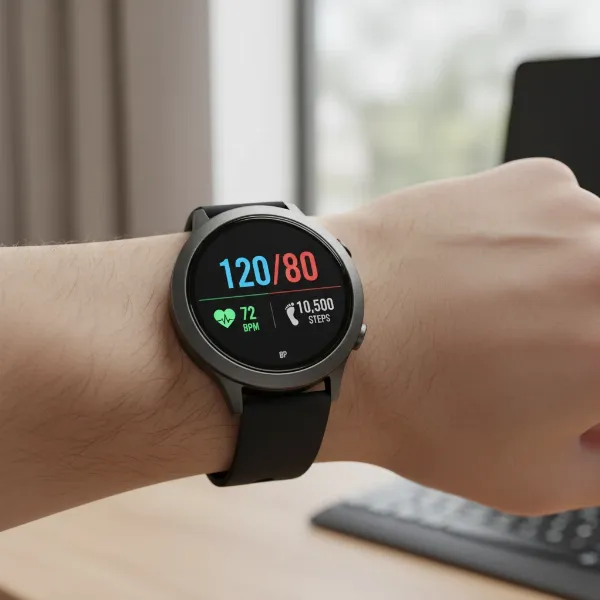
Ever woken up wondering if you truly have enough “in the tank” to tackle the day’s demands, or if you should push that workout or take it easy? Modern smartwatches are no longer just time-telling devices; they’ve become sophisticated tools, offering insights into your body’s internal state through metrics like Body Battery and Recovery Scores. These features aim to decode your physiological signals, helping you understand your energy levels and readiness for activity, ultimately empowering you to make smarter choices for your health and performance.
What is Body Battery?
Imagine your body has a “fuel gauge” that constantly monitors your energy reserves – that’s essentially what Body Battery is. Typically presented on a scale of 0 to 100, where 100 is fully charged, this metric provides a continuous, real-time estimate of your overall energy levels throughout the day. It helps you visualize when your body is charged and ready for action, and when it’s running low and signals a need for rest.
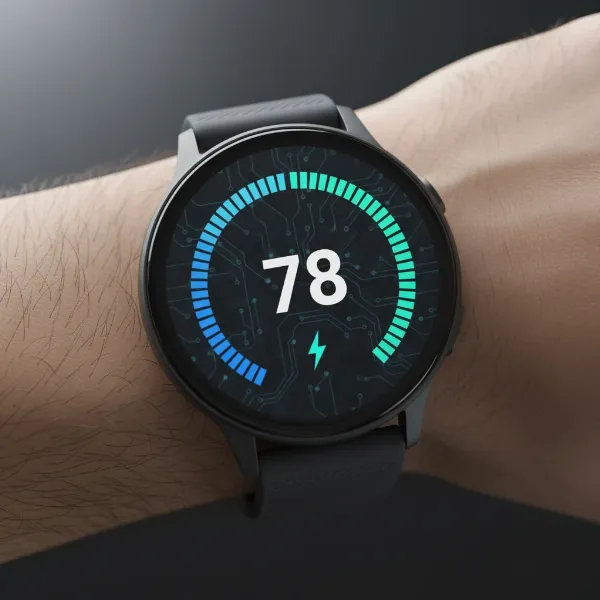 Smartwatch screen displaying a body battery energy gauge from 0-100, indicating energy levels.
How it Works: The Science Behind Your Energy Score
Smartwatches calculate your Body Battery by analyzing a combination of key physiological data points:
- Heart Rate Variability (HRV): This is the crucial factor. HRV measures the slight variations in time between each heartbeat. A higher, healthier HRV often indicates a well-rested and adaptable nervous system, while a lower HRV can signal stress or fatigue.
- Stress Levels: Your device monitors physiological stress throughout the day, drawing from HRV data. High stress (physical or mental) will deplete your Body Battery.
- Sleep Quality: Restorative sleep is your primary charging mechanism. Deep and REM sleep significantly contribute to recharging your Body Battery.
- Physical Activity: Workouts and general daily movement consume energy, naturally drawing down your Body Battery.
|
Our Picks for the Best Smartwatch in 2026
As an Amazon Associate I earn from qualifying purchases.
|
||
| Num | Product | Action |
|---|---|---|
| 1 | Smart Watch for Men, 120 Sports Modes Smartwatch with 1.83" HD Touchsreen, IP67 Waterproof, Sleep Monitor, Bluetooth Call & Music Control Fitness Watch for Android/iPhone (Black) |

|
| 2 | Apple Watch Series 11 [GPS 42mm] Smartwatch with Rose Gold Aluminum Case with Light Blush Sport Band - S/M. Sleep Score, Fitness Tracker, Health Monitoring, Always-On Display, Water Resistant |
|
| 3 | WHOOP 5.0/MG Activity Tracker - 12 Month Membership - Health and Fitness Wearable – 24/7 Activity and Sleep Tracker, Personalized Coaching, Menstrual Cycle Insights – 14+ Days Battery Life |
|
| 4 | SAMSUNG Galaxy Watch 7 40mm Bluetooth AI Smartwatch w/Energy Score, Wellness Tips, Heart Rate Tracking, Sleep Monitor, Fitness Tracker, 2024, Cream [US Version, 1Yr Manufacturer Warranty] |
|
| 5 | Smart Watch for Men, 120+ Sports Modes Smartwatch with 1.83" HD Touchsreen, Sleep Monitor, IP67 Waterproof, Bluetooth Call & Music Control Fitness Watch for iPhone/Android Black |
|
| 6 | Smart Watch with Alexa Built-in, 1.83" HD Touchscreen Fitness Tracker with Bluetooth Calling, Fitness Watch with Heart Rate/Sleep Monitor, 120+ Sports Modes, IP68 Waterproof Smartwatch for Android iOS |
|
| 7 | Smart Watch for Men Women Compatible with iPhone Samsung Android Phone 1.83 inch Full Touch Screen IP68 Waterproof Bluetooh Fitness Tracker Heart Rate/Sleep Monitor, Black |
|
| 8 | Smart Watch, 2026 AMOLED 1.43" Fitness Smartwatch for Men Women, Bluetooth 5.4 Call, 130+Sports Modes, 60+Days Flashlight, Heart Rate/Sleep Monitor, IP68 Waterproof Activity Tracker for Android iOS |
|
| 9 | Apple Watch Series 11 [GPS 46mm] Smartwatch with Jet Black Aluminum Case with Sport Band - M/L. Sleep Score, Fitness Tracker, Health Monitoring, Always-On Display, Water Resistant |
|
| 10 | Amazfit Bip 6 Smart Watch 46mm, 14 Day Battery, 1.97" AMOLED Display, GPS & Free Maps, AI, Bluetooth Call & Text, Health, Fitness & Sleep Tracker, 140+ Workout Modes, 5 ATM Water-Resistance, Black |
|
Essentially, good sleep and low stress charge your Body Battery, while physical exertion, mental strain, and poor sleep drain it.
Interpreting Your Body Battery Score
- High Scores (75-100): You’re fully charged and likely well-rested, ready for challenges. This is an ideal time for demanding tasks or intense workouts.
- Moderate Scores (25-75): Your energy is stable but may fluctuate. You can likely handle daily activities, but monitor your levels and consider lighter exercise.
- Low Scores (0-25): Your energy reserves are significantly depleted. This indicates a strong need for rest, recovery, and stress management. Pushing hard during this time could lead to burnout or increased injury risk.
Understanding your Body Battery helps you optimize your day. If it’s low, perhaps skip the high-intensity interval training (HIIT) and opt for a walk or stretching. If it’s high, you know you’re primed to perform.
What are Recovery Scores?
While Body Battery gives you a holistic view of your daily energy, Recovery Scores (also known as Readiness Scores or Recovery Time, depending on the brand) offer a more focused recommendation on how prepared your body is for specific physical activity or training. These scores provide daily guidance, helping you decide whether to train hard, take it easy, or rest completely.
Different Names, Similar Goals
Various smartwatch brands implement this concept with slightly different terminology:
- Fitbit Readiness Score: A daily score (0-100) indicating your overall readiness.
- Garmin Recovery Time: A countdown in hours, suggesting how long until you’re fully recovered for another strenuous workout.
- WHOOP/Oura Recovery: A percentage-based score reflecting physiological recovery.
Despite the naming variations, the underlying goal is the same: to prevent overtraining, optimize performance, and promote sustainable fitness.
How They Work: Beyond the Last Workout
Recovery scores analyze several factors, often with a greater emphasis on recent activity and sleep:
- Recent Activity & Training Load: How strenuous your previous workouts were and the cumulative impact on your body.
- Sleep Quality & Quantity: Crucial for physical and mental restoration.
- Heart Rate Variability (HRV): A key indicator of your nervous system’s recovery state.
- Resting Heart Rate (RHR): A lower-than-usual RHR can indicate good recovery, while an elevated RHR might signal fatigue or illness.
These metrics are fed into complex algorithms that synthesize the data into an actionable recommendation.
Interpreting Recovery Scores
- High Readiness (e.g., Green/High Score): Your body is well-recovered and ready for peak performance. This is your cue to tackle challenging workouts or push your limits.
- Moderate Readiness (e.g., Yellow/Moderate Score): Your body is showing typical recovery. You can handle a workout, but perhaps consider a moderate intensity or duration.
- Low Readiness (e.g., Red/Low Score): Your body is fatigued, possibly from a tough workout, poor sleep, or stress. Prioritize rest, active recovery (like light stretching or walking), or a very easy session to avoid overreaching.
The aim is not always to hit “green” before every workout, but to understand your body’s signals and adapt your training plan accordingly.
Body Battery vs. Recovery Scores: Understanding the Difference
While both Body Battery and Recovery Scores provide insights into your body’s state, they serve slightly different purposes:
- Body Battery: Think of this as your daily energy budget. It’s a continuous, dynamic metric reflecting your overall energy reserves for everything you do – from working to exercising to simply living. It drains with stress and activity and recharges primarily with sleep.
- Recovery Scores: These are more action-oriented recommendations for your next training session. They assess your body’s specific readiness to handle another intense physical effort, taking into account recent training strain and sleep quality.
In essence, a low Body Battery might contribute to a low Recovery Score, as overall energy depletion will naturally impact your readiness to train. Conversely, consistently achieving good recovery (leading to high recovery scores) will help maintain a healthier Body Battery throughout your day. They are complementary tools, each offering a valuable perspective on your physiological well-being.
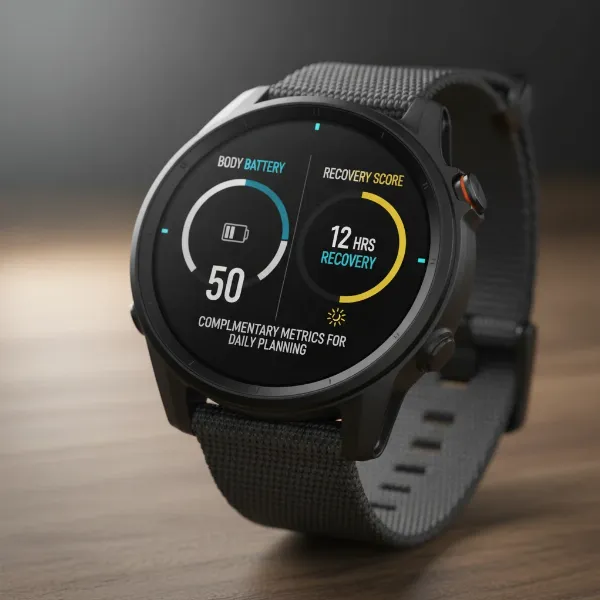 Side-by-side comparison on a smartwatch showing body battery and recovery scores for activity planning.
How Smartwatches Measure These Metrics (Simply Explained)
The magic behind these scores lies in advanced sensors and algorithms that interpret subtle changes in your body:
- Heart Rate Variability (HRV): Your smartwatch constantly measures the precise time intervals between consecutive heartbeats. This isn’t just about how fast your heart beats, but how variable those beats are. A higher HRV suggests your autonomic nervous system (ANS) – which controls involuntary body functions – is balanced, indicating better recovery and adaptability. Lower HRV can point to stress or fatigue.
- Resting Heart Rate (RHR): Your RHR, measured when your body is at rest, is a strong indicator of cardiovascular fitness and overall recovery. A stable or slightly lower RHR compared to your baseline usually signifies good recovery, while an elevated RHR might suggest illness, overtraining, or insufficient rest.
- Sleep Tracking: Smartwatches use accelerometers and heart rate data to detect sleep stages (light, deep, REM) and sleep duration. Quality sleep is crucial for physical repair and mental rejuvenation, directly impacting your Body Battery and recovery.
- Activity & Training Load: Built-in accelerometers and GPS track your movement, exercise intensity, and duration. This data helps the watch understand the physical stress you’ve placed on your body, informing how much recovery is needed.
These devices don’t just collect raw data; they use proprietary algorithms developed by experts in exercise physiology and health science to make sense of it all, translating complex biological signals into simple, actionable numbers.
Maximizing Your Body Battery and Recovery
Leveraging these insights from your smartwatch can profoundly impact your well-being and performance. Here’s how to maximize your Body Battery and recovery:
- Prioritize Quality Sleep: This is non-negotiable. Aim for consistent sleep schedules, create a relaxing bedtime routine, and ensure your sleep environment is dark, quiet, and cool. Quality sleep is the most powerful “charger” for your Body Battery.
- Master Stress Management: Chronic stress, whether from work, relationships, or even overtraining, significantly drains your energy. Incorporate stress-reducing activities like meditation, deep breathing exercises, spending time in nature, or hobbies you enjoy.
- Balance Training with Rest: Don’t chase high recovery scores every day. Understand that intense workouts will naturally dip your scores. The key is to follow hard training days with adequate rest or active recovery (light activities like walking or yoga). Your smartwatch can help you find this balance.
- Hydration and Nutrition: Fueling your body with nutritious foods and staying well-hydrated supports all physiological processes, aiding recovery and energy production.
- Listen to Your Body: While smartwatches provide excellent data, they are tools, not dictators. Pay attention to how you feel. If your watch suggests you’re recovered but you feel unusually tired, respect your body’s signals. Combine data with intuition for the best results.
“Smartwatch metrics like Body Battery and Recovery Scores offer a powerful window into our physiological state, but they are most effective when used as a guide, not a rigid rule. Always cross-reference the data with how you genuinely feel.” – Dr. Emily R. Carter, Sports Physiologist
Conclusion
Smartwatch Body Battery and Recovery Scores have revolutionized how we understand and manage our personal energy and fitness. By simply visualizing your energy reserves and receiving daily readiness insights, you gain a powerful tool to prevent burnout, optimize your training, and enhance your overall well-being. These metrics, rooted in the analysis of heart rate variability, stress, sleep, and activity, provide an accessible way to tune into your body’s needs. Remember to use them as intelligent guides, complementing them with your own body awareness.
Are you ready to use your smartwatch to unlock a more energetic and recovered you?
Frequently Asked Questions
Is Body Battery accurate?
Smartwatch Body Battery is an estimate based on sophisticated algorithms and physiological data. While it can be a highly reliable indicator for most users, individual variations in physiology and lifestyle mean it should always be interpreted in conjunction with how you feel.
How can I quickly improve my recovery score?
The most effective way to improve your recovery score is prioritizing quality sleep. Additionally, stress management, proper hydration, nutrition, and avoiding overtraining will positively impact your recovery metrics.
Do all smartwatches have these features?
While many popular smartwatches from brands like Garmin, Fitbit, WHOOP, and Oura offer similar “energy” or “recovery” tracking features, the specific terminology and algorithms may vary. Always check the features of a device before purchasing.
What is a good Body Battery score?
A Body Battery score of 75-100 generally indicates optimal energy levels, suggesting you are well-rested and ready for demanding activities. Scores below 50 suggest your energy reserves are lower, signaling a need for rest or reduced activity.