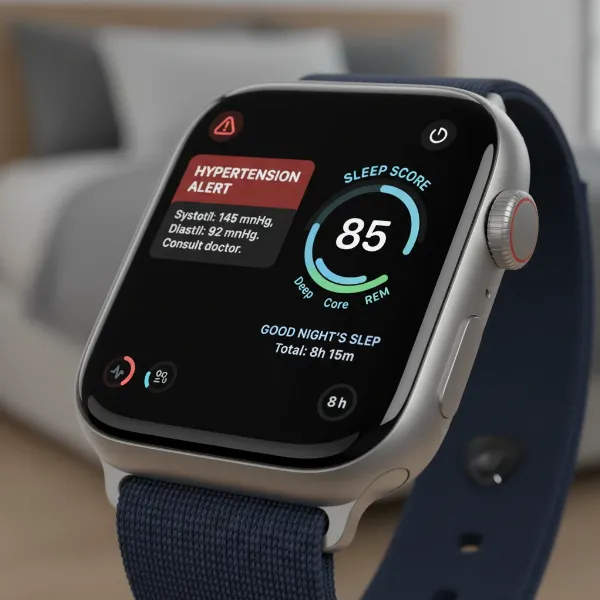
Choosing the right smartwatch can feel like navigating a complex maze, especially with the array of operating systems available. Beyond the sleek design or impressive battery life, the operating system (OS) is the true heart of your smartwatch, dictating its functionality, app ecosystem, and how seamlessly it integrates with your daily digital life. This guide will demystify the leading contenders—Wear OS by Google, watchOS by Apple, and the historical Tizen OS by Samsung—to help you pinpoint the perfect digital companion for your wrist. Understanding their core differences and unique strengths is paramount, whether you’re a devoted Android user, an Apple enthusiast, or simply seeking the best wearable experience tailored to your needs.
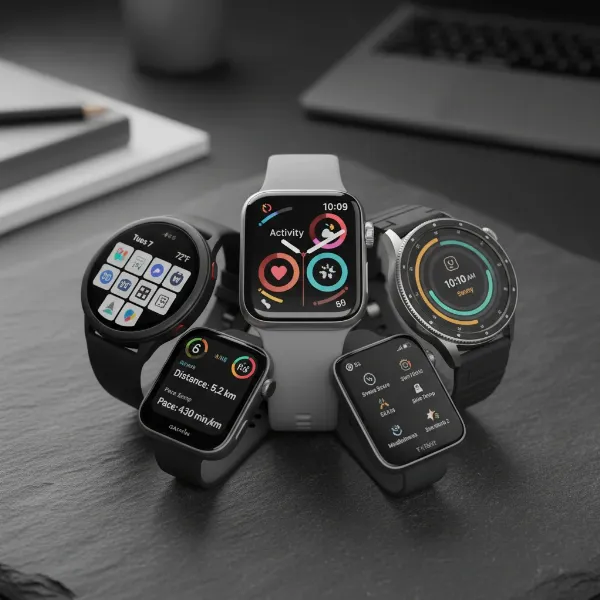 Close-up of multiple smartwatches showcasing different operating system interfaces and designs.
Popular Smartwatch Operating Systems Explained
The smartwatch market is primarily dominated by two powerhouses: Google’s Wear OS and Apple’s watchOS. Samsung’s Tizen OS, while no longer found on their latest smartwatches, played a significant role in shaping the landscape and offers valuable insights into the evolution of these devices.
Wear OS by Google
Wear OS is Google’s operating system designed for smartwatches, powering a diverse range of devices from multiple manufacturers. It aims to extend the Android experience to your wrist, offering robust integration with Google’s suite of services.
- Pros:
- Broad Compatibility: Works best with Android smartphones, offering deep integration, but also has limited compatibility with iPhones. This versatility means you have more hardware choices.
- Extensive Google Services: Seamlessly integrates with Google Assistant, Google Maps, Google Pay, and Google Fit, making it ideal for users embedded in the Google ecosystem.
- Hardware Variety: Available on watches from numerous brands like Google Pixel Watch, Fossil, OnePlus, and even Samsung’s newer Galaxy Watches (with their One UI Watch skin), providing a wide range of designs, features, and price points.
- Growing App Ecosystem: The Google Play Store for Wear OS offers a substantial and continuously growing collection of third-party applications.
- Cons:
- Inconsistent User Experience: Due to various manufacturers applying their own UIs, the experience can sometimes feel less cohesive compared to watchOS.
- Battery Life Variation: Battery performance can vary significantly between different Wear OS devices.
- Limited iOS Functionality: While compatible with iPhones, the feature set is noticeably reduced compared to pairing with an Android phone.
- Key Features: Google Assistant, customizable watch faces, tile-based interface, gesture navigation, Google Fit for health tracking, NFC for Google Pay, standalone LTE support on some models.
- Who is it for?: Android users seeking a versatile smartwatch with deep Google service integration, those who appreciate a wide choice of hardware designs and prices, and individuals who prioritize app selection outside of the Apple ecosystem.
|
Our Picks for the Best Smartwatch in 2026
As an Amazon Associate I earn from qualifying purchases.
|
||
| Num | Product | Action |
|---|---|---|
| 1 | Smart Watch with Alexa Built-in, 1.83" HD Touchscreen Fitness Tracker with Bluetooth Calling, Fitness Watch with Heart Rate/Sleep Monitor, 120+ Sports Modes, IP68 Waterproof Smartwatch for Android iOS |

|
| 2 | Apple Watch Series 11 [GPS 42mm] Smartwatch with Rose Gold Aluminum Case with Light Blush Sport Band - S/M. Sleep Score, Fitness Tracker, Health Monitoring, Always-On Display, Water Resistant |
|
| 3 | Smart Watch for Men, 120 Sports Modes Smartwatch with 1.83" HD Touchsreen, IP67 Waterproof, Sleep Monitor, Bluetooth Call & Music Control Fitness Watch for Android/iPhone (Black) |
|
| 4 | SAMSUNG Galaxy Watch 7 40mm Bluetooth AI Smartwatch w/Energy Score, Wellness Tips, Heart Rate Tracking, Sleep Monitor, Fitness Tracker, 2024, Cream [US Version, 1Yr Manufacturer Warranty] |
|
| 5 | Smart Watch for Men, 120+ Sports Modes Smartwatch with 1.83" HD Touchsreen, Sleep Monitor, IP67 Waterproof, Bluetooth Call & Music Control Fitness Watch for iPhone/Android Black |
|
| 6 | Amazfit Bip 6 Smart Watch 46mm, 14 Day Battery, 1.97" AMOLED Display, GPS & Free Maps, AI, Bluetooth Call & Text, Health, Fitness & Sleep Tracker, 140+ Workout Modes, 5 ATM Water-Resistance, Black |
|
| 7 | Smart Watch, 2026 AMOLED 1.43" Fitness Smartwatch for Men Women, Bluetooth 5.4 Call, 130+Sports Modes, 60+Days Flashlight, Heart Rate/Sleep Monitor, IP68 Waterproof Activity Tracker for Android iOS |
|
| 8 | Apple Watch Series 11 [GPS 46mm] Smartwatch with Jet Black Aluminum Case with Sport Band - M/L. Sleep Score, Fitness Tracker, Health Monitoring, Always-On Display, Water Resistant |
|
| 9 | Smart Watch for Men Women Compatible with iPhone Samsung Android Phone 1.83 inch Full Touch Screen IP68 Waterproof Bluetooh Fitness Tracker Heart Rate/Sleep Monitor, Black |
|
| 10 | WHOOP 5.0/MG Activity Tracker - 12 Month Membership - Health and Fitness Wearable – 24/7 Activity and Sleep Tracker, Personalized Coaching, Menstrual Cycle Insights – 14+ Days Battery Life |
|
watchOS by Apple
Exclusive to Apple Watch devices, watchOS offers a highly polished, intuitive, and deeply integrated experience for iPhone users. It’s renowned for its focus on health, fitness, and seamless connectivity within the Apple ecosystem.
- Pros:
- Seamless Apple Ecosystem Integration: Unparalleled connectivity with iPhones, iPads, and Macs, ensuring a fluid and synchronized experience.
- Refined User Interface: Offers a simple, elegant, and intuitive interface with smooth navigation, thanks to the Digital Crown and haptic feedback.
- Robust App Ecosystem: The Apple App Store for watchOS boasts a vast array of high-quality, optimized apps, with developers often prioritizing the platform due to its dominant market share.
- Advanced Health & Fitness Tracking: Features comprehensive health monitoring, including ECG, blood oxygen tracking, irregular heart rhythm notifications, and robust workout tracking.
- Strong Privacy and Security: Benefits from Apple’s stringent approach to user data and privacy.
- Cons:
- iPhone Exclusivity: Strictly compatible only with iPhones, completely excluding Android users.
- Limited Hardware Choices: Only available on Apple Watch models, offering less variety in design and price points compared to Wear OS.
- Battery Life: Standard Apple Watch models typically offer about 18 hours of battery life, which might require daily charging, though Ultra models provide significantly more.
- Key Features: Siri integration, customizable watch faces, comprehensive health tracking (ECG, blood oxygen, fall detection), Apple Pay, walkie-talkie mode, Family Setup, extensive app library.
- Who is it for?: iPhone users who prioritize seamless integration with their existing devices, value a polished user experience, desire advanced health and fitness tracking, and appreciate a vast selection of high-quality, optimized applications.
Tizen OS (Historical Context and Legacy)
Tizen was Samsung’s Linux-based operating system for smartwatches, most notably found on their Galaxy Watch and Gear series before the Galaxy Watch 4. It offered a distinct user interface and app ecosystem.
- Pros (in its prime):
- Consistent User Interface: Tizen watches generally had a more consistent and intuitive user interface across devices, designed and optimized by Samsung.
- Excellent Battery Life: Many Tizen-powered Samsung watches were known for their impressive battery longevity, often lasting several days on a single charge.
- Samsung Ecosystem Integration: Offered seamless connectivity and optimization for Samsung smartphones and services like Samsung Health.
- Rotating Bezel Navigation: A physical rotating bezel on many Tizen watches provided a highly tactile and efficient way to navigate the UI.
- Cons (compared to current OS):
- Limited App Ecosystem: While it had its own app store, the selection of third-party applications was significantly smaller and often less diverse than what’s available on Wear OS or watchOS.
- Declining Developer Support: As Samsung shifted towards Wear OS, developer support for Tizen naturally waned.
- Phased Out: Samsung transitioned its main smartwatch line to Wear OS (with their One UI Watch skin) starting with the Galaxy Watch 4, effectively making Tizen a legacy system for new devices.
- Key Features (in its prime): Intuitive circular UI, rotating bezel navigation, Samsung Health for fitness, Bixby voice assistant, Samsung Pay, custom watch faces.
- Who was it for?: Primarily Samsung smartphone users who valued battery life, a consistent UI, and dedicated Samsung services. Owners of older Samsung smartwatches still utilize Tizen OS.
Comparing Smartwatches by Operating System
The choice of operating system often dictates which smartwatch brands you can consider. Here’s a look at the leading brands and their OS choices.
Apple Watch (powered by watchOS)
The Apple Watch series stands as the epitome of smartwatch integration for iPhone users.
- Pros: Unrivaled integration with iPhone and Apple services, leading health and safety features, robust app selection, premium build quality, intuitive navigation.
- Cons: iPhone-only compatibility, premium price point, standard battery life requires daily charging.
- Key Features: ECG, blood oxygen, temperature sensing, fall/crash detection, extensive workout modes, Apple Pay, Siri, Cellular options.
- Price Range: Typically starts from $249 for SE models, ranging up to $799+ for Ultra models.
Samsung Galaxy Watch (Wear OS with One UI Watch, previously Tizen)
Samsung’s recent Galaxy Watch models have embraced a unified platform with Google, running Wear OS but overlaid with Samsung’s One UI Watch for a familiar user experience.
- Pros: Excellent integration with Android (especially Samsung phones), a wide range of health and fitness tracking features, strong app support from Google Play, often includes features like body composition analysis.
- Cons: Limited compatibility with iPhones, can still feel less “pure” Wear OS due to Samsung’s overlay, battery life is good but not always class-leading for Wear OS.
- Key Features: ECG, body composition analysis, advanced sleep tracking, Google Assistant, Google Maps, Samsung Health, NFC for payments.
- Price Range: Generally ranges from $199 to $349, depending on the model and features.
Google Pixel Watch & Other Wear OS Devices (powered by Wear OS)
Google’s own Pixel Watch showcases the company’s vision for Wear OS, while other brands like Fossil, Mobvoi (TicWatch), and OnePlus also offer diverse Wear OS smartwatches.
- Pros: Pure Google experience (Pixel Watch), wide variety of designs and price points from other manufacturers, strong Google service integration, growing app ecosystem.
- Cons: Battery life can vary across devices, some non-Pixel Wear OS watches may have slower updates or less polished UIs.
- Key Features: Google Assistant, Google Maps, Google Wallet, Fitbit integration for health (Pixel Watch), customizable watch faces, broad app support.
- Price Range: Ranges widely from around $150 for some budget options to $399+ for premium models like the Google Pixel Watch.
Detailed Smartwatch Comparison Table
| Feature / OS | watchOS (Apple Watch) | Wear OS (Google, Samsung, etc.) | Tizen OS (Older Samsung Watches) |
|---|---|---|---|
| Compatible Phones | iPhone only | Android (full), iPhone (limited) | Android (full), iPhone (limited) |
| Core Ecosystem | Apple | Samsung | |
| App Ecosystem | Vast, highly optimized | Large, varied quality; growing | Limited, optimized for Samsung |
| User Interface | Polished, intuitive, Digital Crown | Flexible, tile-based; varies by manufacturer | Consistent, circular, often with rotating bezel |
| Health Tracking | ECG, Blood Oxygen, Temp, Fall/Crash Detection, etc. | Google Fit/Samsung Health (device-dependent), varied sensors | Samsung Health, good fitness tracking |
| Payment System | Apple Pay | Google Wallet (formerly Pay) | Samsung Pay |
| Voice Assistant | Siri | Google Assistant | Bixby |
| Hardware Diversity | Exclusive to Apple Watch (limited designs) | Wide range of brands & designs | Primarily Samsung (historical) |
| Typical Battery | 18-36 hrs (up to 72 hrs for Ultra models) | 24+ hrs, varies significantly | 2-4 days (often better than early Wear OS) |
| Current Status | Active, leading OS | Active, evolving, increasingly popular | Legacy (replaced by Wear OS for new Samsung watches) |
Guide to Choosing the Right Smartwatch
Selecting a smartwatch involves more than just picking a cool gadget. It’s about finding a device that seamlessly integrates into your lifestyle.
Determine Your Needs
Start by identifying your primary reason for wanting a smartwatch.
- What do you need a smartwatch for? Are you a fitness enthusiast tracking every metric, a busy professional needing discreet notifications, or someone looking for a fashion statement with smart features?
- Which features are important to you? Prioritize what truly matters: advanced health monitoring (ECG, blood oxygen), GPS for running, NFC for payments, cellular connectivity, or simply extended battery life.
Budget
Smartwatches come in a wide price range, from entry-level fitness trackers to premium luxury devices.
- How much are you willing to spend on a smartwatch? Setting a budget early can help narrow down your options significantly, as price often correlates with features, build quality, and brand prestige.
Brand and Design
Your personal style and existing tech ecosystem will heavily influence this choice.
- Which brand should you choose? If you own an iPhone, Apple Watch is the natural, most integrated choice. For Android users, Wear OS offers the broadest selection across brands like Samsung (Galaxy Watch), Google (Pixel Watch), and others.
- What style suits you? Smartwatches are also fashion accessories. Consider face shape (round vs. square), strap materials, and overall aesthetic to ensure it complements your personal style.
Other Factors
Don’t overlook these practical considerations that can impact your daily experience.
- Size: Smartwatches come in various case sizes. Ensure the one you pick is comfortable and proportionate to your wrist.
- Battery Life: Do you mind charging daily, or do you need a watch that lasts several days? This is a crucial differentiator, especially for multi-day trips or continuous sleep tracking.
- Water Resistance: If you plan to swim, shower, or engage in water sports with your watch, look for adequate water resistance ratings (e.g., 5 ATM).
- Ecosystem/Smartphone Compatibility: This is perhaps the most critical factor. Your smartwatch will only truly shine when paired with a compatible smartphone, offering full functionality and seamless data synchronization.
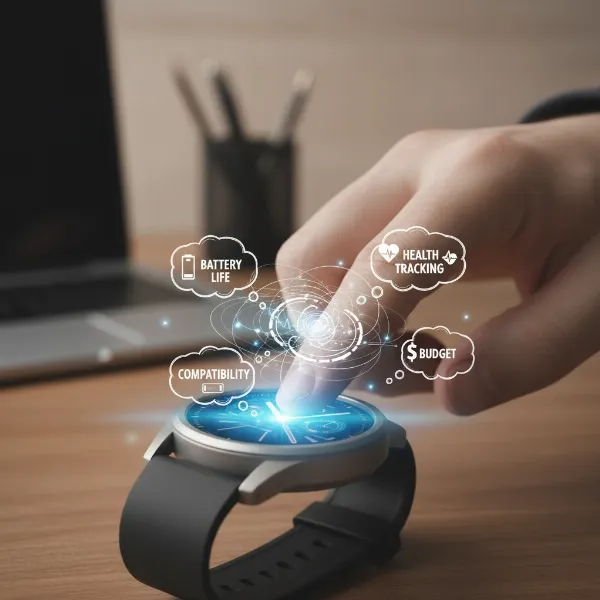 A person's hand holding a smartwatch, with comparison elements overlaid, representing the decision process.
Conclusion
The world of smartwatch operating systems, primarily led by Wear OS and watchOS, offers distinct advantages tailored to different users. watchOS provides an unparalleled, cohesive experience for Apple users, boasting robust health features and a highly polished interface. Wear OS, on the other hand, champions versatility and choice for Android users, with a vast array of hardware options and deep integration with Google’s powerful services. While Tizen OS represents a significant chapter in smartwatch history for Samsung, its functionalities have largely been absorbed and evolved within the Wear OS framework for newer Galaxy Watches.
Ultimately, the “best” smartwatch OS isn’t universal; it’s the one that best aligns with your smartphone, your daily activities, and your personal preferences. By carefully considering your needs, budget, and desired features against the strengths of each operating system, you’re well-equipped to make an informed decision. Which ecosystem will empower your wrist next?
Frequently Asked Questions
Which smartwatch OS offers the best app selection?
watchOS generally offers the best selection of highly optimized and polished apps due to Apple’s dominant market share and developer focus. However, Wear OS also has a large and rapidly growing app ecosystem, especially with strong integration of Google’s own services and popular third-party apps available on Google Play.
Can Wear OS watches work with iPhones?
Yes, most Wear OS watches can pair with iPhones, but with significantly limited functionality. Features like replying to messages, using certain Google apps, or deep integration with iOS apps may not be available or fully functional. For the best experience with an iPhone, an Apple Watch running watchOS is recommended.
What happened to Samsung’s Tizen OS?
Samsung largely transitioned from Tizen OS to Wear OS for its flagship smartwatches starting with the Galaxy Watch 4. This move was a collaboration with Google to create a unified platform, combining the strengths of Wear OS with Samsung’s One UI Watch interface, aiming for better app support and overall functionality. Older Samsung smartwatches still run Tizen.