The allure of keeping a constant pulse on your health, quite literally, has made smartwatches indispensable companions for many. These devices promise a window into our well-being, from tracking steps and heart rate to monitoring sleep patterns. Among the most sought-after features is blood pressure monitoring, offering the convenience of checking vital signs right from your wrist. But as with any emerging technology in health, a critical question arises: how accurate are these smartwatch blood pressure readings, and can they truly replace traditional methods?
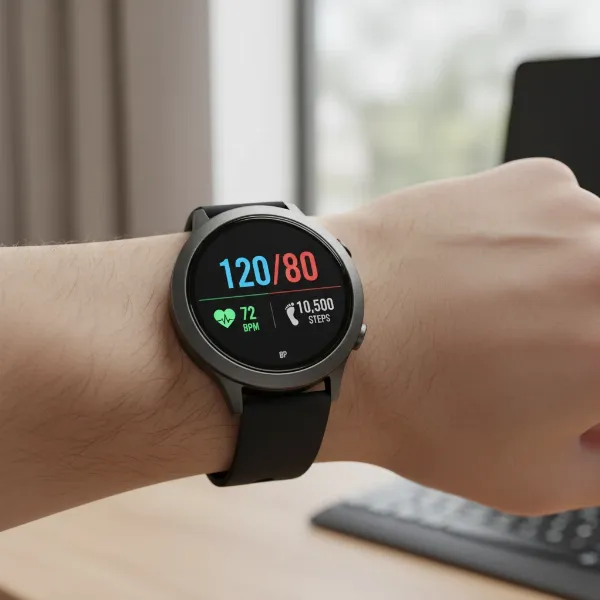 A close-up of a smartwatch displaying blood pressure and other vital health metrics on a wrist.
Understanding How Smartwatches Measure Blood Pressure
Smartwatches employ different technologies to estimate or measure blood pressure, each with its own advantages and limitations. Knowing how these devices work is key to understanding their accuracy.
Optical Sensors (PPG Technology)
Many popular smartwatches, such as models from Samsung and Fitbit, utilize Photoplethysmogram (PPG) technology. This method involves shining an LED light, typically green, onto your skin at the wrist. The sensor then measures how much of this light is absorbed by your blood vessels. As blood flows through your arteries, the volume changes with each heartbeat, causing variations in light absorption. Sophisticated algorithms interpret these changes in blood volume and correlate them to an estimated blood pressure reading.
- Pros: This method is non-invasive and provides convenient, on-demand readings, making it excellent for tracking trends over time.
- Cons: The accuracy of PPG can be influenced by several external factors, including skin tone, ambient light, how snugly the watch fits on your wrist, and even movement during measurement.
|
Our Picks for the Best Smartwatch in 2026
As an Amazon Associate I earn from qualifying purchases.
|
||
| Num | Product | Action |
|---|---|---|
| 1 | Amazfit Bip 6 Smart Watch 46mm, 14 Day Battery, 1.97" AMOLED Display, GPS & Free Maps, AI, Bluetooth Call & Text, Health, Fitness & Sleep Tracker, 140+ Workout Modes, 5 ATM Water-Resistance, Black |

|
| 2 | Smart Watch, 2026 AMOLED 1.43" Fitness Smartwatch for Men Women, Bluetooth 5.4 Call, 130+Sports Modes, 60+Days Flashlight, Heart Rate/Sleep Monitor, IP68 Waterproof Activity Tracker for Android iOS |
|
| 3 | Apple Watch Series 11 [GPS 42mm] Smartwatch with Rose Gold Aluminum Case with Light Blush Sport Band - S/M. Sleep Score, Fitness Tracker, Health Monitoring, Always-On Display, Water Resistant |
|
| 4 | SAMSUNG Galaxy Watch 7 40mm Bluetooth AI Smartwatch w/Energy Score, Wellness Tips, Heart Rate Tracking, Sleep Monitor, Fitness Tracker, 2024, Cream [US Version, 1Yr Manufacturer Warranty] |
|
| 5 | Apple Watch Series 11 [GPS 46mm] Smartwatch with Jet Black Aluminum Case with Sport Band - M/L. Sleep Score, Fitness Tracker, Health Monitoring, Always-On Display, Water Resistant |
|
| 6 | Smart Watch with Alexa Built-in, 1.83" HD Touchscreen Fitness Tracker with Bluetooth Calling, Fitness Watch with Heart Rate/Sleep Monitor, 120+ Sports Modes, IP68 Waterproof Smartwatch for Android iOS |
|
| 7 | WHOOP 5.0/MG Activity Tracker - 12 Month Membership - Health and Fitness Wearable – 24/7 Activity and Sleep Tracker, Personalized Coaching, Menstrual Cycle Insights – 14+ Days Battery Life |
|
| 8 | Smart Watch for Men, 120+ Sports Modes Smartwatch with 1.83" HD Touchsreen, Sleep Monitor, IP67 Waterproof, Bluetooth Call & Music Control Fitness Watch for iPhone/Android Black |
|
| 9 | Smart Watch for Men Women Compatible with iPhone Samsung Android Phone 1.83 inch Full Touch Screen IP68 Waterproof Bluetooh Fitness Tracker Heart Rate/Sleep Monitor, Black |
|
| 10 | Smart Watch for Men, 120 Sports Modes Smartwatch with 1.83" HD Touchsreen, IP67 Waterproof, Sleep Monitor, Bluetooth Call & Music Control Fitness Watch for Android/iPhone (Black) |
|
Cuff-Based Smartwatches
For those seeking accuracy closer to traditional methods, some advanced smartwatches incorporate a micro-airbag or inflatable cuff directly into the watch band. Devices like the Omron HeartGuide, Huawei Watch D, and BP Doctor Med PRO utilize this oscillometric method, similar to a standard arm cuff. When activated, the cuff inflates around the wrist, temporarily restricting blood flow, then slowly deflates while pressure sensors detect the oscillations in the artery walls to calculate systolic and diastolic blood pressure.
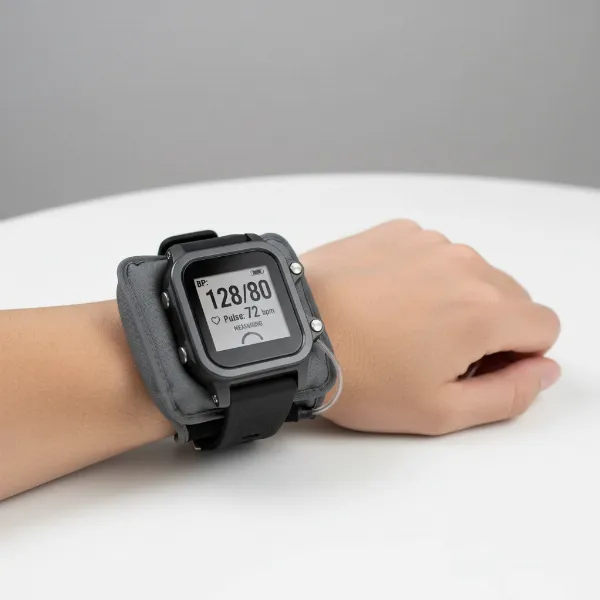 A smartwatch with an integrated inflatable cuff on a wrist, demonstrating a blood pressure measurement.
- Pros: This technology often yields more accurate and reliable measurements, with several models achieving medical validation or FDA clearance.
- Cons: These smartwatches can be bulkier than their optical-sensor counterparts due to the integrated cuff, potentially making them less sleek or “seamless” for everyday wear.
Pulse Transit Time (PTT)
Another technique used by some smartwatches is Pulse Transit Time (PTT). This method estimates blood pressure by measuring the time it takes for a pulse wave to travel from your heart to your wrist. A shorter transit time can indicate higher arterial stiffness and potentially higher blood pressure. While promising for continuous monitoring, PTT-based systems often require calibration and can be less precise if they don’t simultaneously track the exact timing of heart contractions (e.g., via an EKG).
- Pros: Can offer continuous data, potentially identifying trends or significant changes.
- Cons: Without proper calibration and advanced sensor integration, PTT-based measurements can be less accurate and may not provide precise numerical readings for diagnosis.
The Reality of Smartwatch Blood Pressure Accuracy
The landscape of smartwatch blood pressure monitoring is constantly evolving, with new advancements emerging regularly. However, it’s crucial to distinguish between what these devices can do and what they cannot.
FDA Clearance vs. Approval
When evaluating the reliability of a health feature on a smartwatch, you’ll often encounter terms like “FDA cleared” or “FDA approved.” Understanding the difference is vital:
- FDA Clearance (510(k)): Most health-focused smartwatches receive FDA Clearance. This signifies that the device has been demonstrated to be “substantially equivalent” to another legally marketed device already deemed safe and effective. It means the feature has undergone clinical validation, with its accuracy tested against medical-grade equipment in controlled environments, ensuring reliability for consumers. Many leading smartwatch brands have obtained FDA clearance for their blood pressure features for tracking trends.
- FDA Approval (PMA): This is a much more rigorous process reserved for high-risk, novel medical devices that are entirely new to the market. Few, if any, smartwatches have received full FDA approval for blood pressure measurement, highlighting that even cleared devices are typically seen as complementary rather than primary diagnostic tools.
It’s also important to note that the FDA has issued warnings against using unauthorized devices, including smartwatches or smart rings, that claim to measure blood glucose levels without piercing the skin, as none have been cleared or approved for this purpose. Similarly, the FDA warns against unauthorized blood pressure devices that have not been evaluated for safety and effectiveness.
Limitations and Factors Affecting Reliability
Despite advancements, smartwatches with blood pressure monitoring features still have limitations:
- Complementary Tools, Not Replacements: Smartwatches are excellent monitoring tools for tracking blood pressure trends over time. However, they cannot replace a traditional, medical-grade cuff for diagnosing hypertension or managing medication. A qualified healthcare professional using a validated medical device must make a diagnosis.
- Calibration is Key: Many smartwatches using indirect measurement methods (like PPG) require regular calibration with a traditional cuff. This personalization helps the watch’s algorithm account for individual physiological differences, ensuring more accurate readings. Following manufacturer guidelines, recalibration every few weeks or monthly is often recommended.
- User-Specific Variability: Factors inherent to the user can significantly impact accuracy. The fit of the watch on the wrist (too loose or too tight), skin tone, the presence of tattoos, and individual body fat percentages can all affect the optical sensor’s ability to detect blood flow accurately.
- Movement and Environment: Any movement during a measurement can disrupt the optical sensor’s data collection, leading to inaccurate results. Environmental factors like ambient light can also interfere.
- Systematic Bias: Some studies have shown that certain smartwatch models can exhibit a systematic bias, overestimating low blood pressure readings and underestimating high ones, particularly when not properly calibrated or used outside controlled settings.
Best Use Cases for Smartwatch Blood Pressure Monitoring
Given these considerations, smartwatches are best utilized in specific ways:
- Tracking Trends: For individuals managing known hypertension or those at risk, smartwatches can provide valuable insights into daily or weekly blood pressure patterns, helping users and their doctors identify triggers or assess the effectiveness of lifestyle changes.
- Complementary Monitoring: They serve as an excellent supplementary tool to traditional cuff-based measurements, encouraging more frequent monitoring and promoting greater health awareness.
- Motivation and Engagement: The convenience of wrist-based monitoring can motivate individuals to pay closer attention to their blood pressure, fostering a more proactive approach to health management.
Top Smartwatches for Blood Pressure Monitoring
When considering a smartwatch for blood pressure, several models stand out, largely differentiated by their measurement technology and regulatory status.
Smartwatches with Cuff-Based Technology
These devices offer a higher level of accuracy by replicating the traditional oscillometric method.
- Omron HeartGuide 2: A pioneer in wearable blood pressure technology, the Omron HeartGuide 2 is notably FDA-cleared and boasts high accuracy with its integrated inflatable cuff. It resembles a traditional wristwatch but offers robust functionality for serious health monitoring. Pros: Medically validated, high accuracy, FDA-cleared. Cons: Can be bulkier, fewer “smart” features compared to multi-purpose smartwatches. Price: Typically in the higher range for specialized health wearables.
- Huawei Watch D2: This device excels with its innovative micro-pump and airbag system, providing highly accurate blood pressure readings and often integrating ECG functionality. Pros: Highly accurate cuff-based system, integrated ECG, sleek design for a cuff-based model. Cons: May have tighter integration with the Huawei ecosystem. Price: Upper mid-range.
- BP Doctor Med PRO 15: Designed for precision, this smartwatch features a medical-grade inflatable cuff, setting it apart from optical-only competitors. Pros: Dedicated to accurate BP monitoring, comprehensive health overview with 24/7 tracking. Cons: Specific focus on BP might mean fewer general smartwatch features. Price: Upper mid-range.
Smartwatches with Advanced Optical Sensors (Requiring Calibration)
These smartwatches offer broad functionality alongside blood pressure tracking, often relying on user calibration for accuracy.
- Samsung Galaxy Watch 7: This flagship smartwatch delivers a comprehensive health suite, including precise blood pressure monitoring. It seamlessly integrates into the Samsung Health ecosystem, though it requires regular calibration with a traditional cuff. Pros: Robust health tracking, seamless ecosystem, sleek design. Cons: Requires frequent calibration with an external cuff. Price: Premium.
- Apple Watch Series 9 Pro: While Apple Watches are renowned for their advanced health features, including ECG and blood oxygen, they primarily focus on tracking trends and providing insights related to blood pressure through optical sensors rather than direct, cuff-like measurements. They use sophisticated algorithms and machine learning. Pros: Unparalleled ecosystem, advanced health tracking, intuitive user experience. Cons: Does not provide direct cuff-style BP measurement; relies on inferred data and calibration with external devices for meaningful trends. Price: Premium.
- Fitbit Sense 3: Fitbit’s Sense line continues to impress with its advanced health monitoring, including blood pressure tracking capabilities complemented by stress and sleep analysis. Like Samsung, it typically relies on optical sensors and benefits from regular calibration. Pros: Comprehensive health and wellness tracking, good battery life. Cons: Requires calibration for optimal accuracy. Price: Mid to upper-mid range.
Choosing the Right Smartwatch for Your Blood Pressure Needs
Selecting the ideal smartwatch for blood pressure monitoring involves a personalized approach. Consider these factors to make an informed decision:
Determine Your Usage Needs
What is your primary goal? If you need medical-grade accuracy for diagnosis or medication adjustments, a cuff-based, FDA-cleared device is paramount. If you’re looking for consistent trend tracking and general health awareness as a complement to a traditional cuff, optical sensor-based smartwatches might suffice.
Budget Considerations
Smartwatches range significantly in price. Cuff-based, medically validated devices often command a higher price point due to their specialized technology. More affordable options exist, but always verify their accuracy claims and regulatory status.
Brand and Model Research
Investigate specific models. Look for devices that have received FDA clearance or medical validation. Read expert reviews and user testimonials to gauge real-world performance and reliability. Prioritize transparency from manufacturers regarding their measurement methods and accuracy data.
Other Important Factors
- Fit and Comfort: A proper fit is crucial for accurate optical sensor readings. Ensure the watch is comfortable and snug on your wrist.
- Battery Life: Consider how often you’re willing to charge your device, especially if continuous monitoring is important to you.
- Water Resistance: If you lead an active lifestyle or plan to wear your watch during workouts or swimming, check its water resistance rating.
- Compatibility: Ensure the smartwatch is compatible with your smartphone’s operating system for seamless data syncing and app integration.
- Data Sharing: Check if the device allows easy sharing of your blood pressure data with your healthcare provider, which can be invaluable for medical consultations.
Conclusion
Smartwatches have undeniably transformed personal health monitoring, offering unprecedented convenience for tracking various health metrics, including blood pressure. While FDA-cleared smartwatches excel at providing valuable insights into blood pressure trends, they are generally considered complementary tools rather than direct replacements for traditional, cuff-based blood pressure monitors used for diagnosis and medication management. Devices employing integrated cuffs offer accuracy closer to medical-grade standards, while optical sensor models rely heavily on consistent calibration and proper usage.
For optimal heart health, always prioritize devices with medical validation and consult with your healthcare provider regarding any health concerns or before making medical decisions based on smartwatch data. Your smartwatch can be a powerful ally in your health journey, but it works best in partnership with professional medical guidance.
Frequently Asked Questions
Can a smartwatch replace my traditional blood pressure cuff?
No, most smartwatches are primarily monitoring tools for tracking trends and cannot replace a traditional, medical-grade blood pressure cuff for diagnosing hypertension or managing medication. Always consult a healthcare professional for clinical advice.
How often should I calibrate my blood pressure smartwatch?
If your smartwatch uses optical sensors, it often requires regular calibration with a traditional cuff, typically every few weeks to once a month, or whenever you suspect the readings might be inaccurate. Always follow the manufacturer’s specific guidelines.
What does “FDA Cleared” mean for a smartwatch blood pressure monitor?
“FDA Cleared” (510(k) clearance) means the device has been shown to be “substantially equivalent” to an existing, legally marketed device that is already considered safe and effective. It signifies that the feature has undergone clinical validation and can reliably track blood pressure trends, but it’s not the same as full FDA “Approval.”
Are there any smartwatches that don’t require calibration?
Generally, smartwatches that use an integrated, inflatable cuff for measurement, similar to a traditional sphygmomanometer, require less frequent or no calibration compared to optical sensor-based models. Devices like the Omron HeartGuide are designed for medical-grade accuracy without needing external calibration for each reading.
Can skin tone or tattoos affect smartwatch blood pressure readings?
Yes, factors such as skin tone, tattoos, and body fat percentage can interfere with the optical sensors (PPG technology) used in many smartwatches, potentially leading to less accurate blood pressure readings. Proper fit and consistent wrist positioning are also crucial.