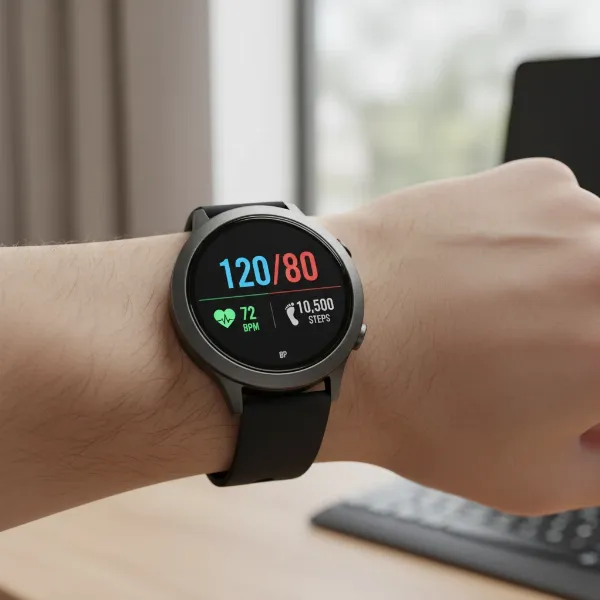
Imagine a silent threat, a heart condition that often shows no symptoms but can lead to devastating consequences like stroke or heart failure. This is Atrial Fibrillation (AFib), an irregular heart rhythm impacting millions globally. The good news? The rise of advanced smartwatches, equipped with sophisticated ECG and AFib detection capabilities, is revolutionizing how we monitor our heart health, offering an unprecedented opportunity for early detection and intervention that can, quite literally, save lives. This article delves into the groundbreaking technology that makes this possible, explores the life-saving impact of these devices, and guides you through choosing the best smartwatch to help safeguard your heart.
Understanding Atrial Fibrillation (AFib): The Silent Threat
|
Our Picks for the Best Smartwatch in 2026
As an Amazon Associate I earn from qualifying purchases.
|
||
| Num | Product | Action |
|---|---|---|
| 1 | SAMSUNG Galaxy Watch 7 40mm Bluetooth AI Smartwatch w/Energy Score, Wellness Tips, Heart Rate Tracking, Sleep Monitor, Fitness Tracker, 2024, Cream [US Version, 1Yr Manufacturer Warranty] |
![Check SAMSUNG Galaxy Watch 7 40mm Bluetooth AI Smartwatch w/Energy Score, Wellness Tips, Heart Rate Tracking, Sleep Monitor, Fitness Tracker, 2024, Cream [US Version, 1Yr Manufacturer Warranty] on Amazon](https://smartwatchus.com/wp-content/plugins/amazon-tables/assets/images/buy.png)
|
| 2 | Smart Watch for Men Women Compatible with iPhone Samsung Android Phone 1.83 inch Full Touch Screen IP68 Waterproof Bluetooh Fitness Tracker Heart Rate/Sleep Monitor, Black |
|
| 3 | Smart Watch, 2026 AMOLED 1.43" Fitness Smartwatch for Men Women, Bluetooth 5.4 Call, 130+Sports Modes, 60+Days Flashlight, Heart Rate/Sleep Monitor, IP68 Waterproof Activity Tracker for Android iOS |
|
| 4 | Apple Watch Series 11 [GPS 46mm] Smartwatch with Jet Black Aluminum Case with Sport Band - M/L. Sleep Score, Fitness Tracker, Health Monitoring, Always-On Display, Water Resistant |
|
| 5 | Smart Watch for Men, 120 Sports Modes Smartwatch with 1.83" HD Touchsreen, IP67 Waterproof, Sleep Monitor, Bluetooth Call & Music Control Fitness Watch for Android/iPhone (Black) |
|
| 6 | Amazfit Bip 6 Smart Watch 46mm, 14 Day Battery, 1.97" AMOLED Display, GPS & Free Maps, AI, Bluetooth Call & Text, Health, Fitness & Sleep Tracker, 140+ Workout Modes, 5 ATM Water-Resistance, Black |
|
| 7 | WHOOP 5.0/MG Activity Tracker - 12 Month Membership - Health and Fitness Wearable – 24/7 Activity and Sleep Tracker, Personalized Coaching, Menstrual Cycle Insights – 14+ Days Battery Life |
|
| 8 | Smart Watch for Men, 120+ Sports Modes Smartwatch with 1.83" HD Touchsreen, Sleep Monitor, IP67 Waterproof, Bluetooth Call & Music Control Fitness Watch for iPhone/Android Black |
|
| 9 | Apple Watch Series 11 [GPS 42mm] Smartwatch with Rose Gold Aluminum Case with Light Blush Sport Band - S/M. Sleep Score, Fitness Tracker, Health Monitoring, Always-On Display, Water Resistant |
|
| 10 | Smart Watch with Alexa Built-in, 1.83" HD Touchscreen Fitness Tracker with Bluetooth Calling, Fitness Watch with Heart Rate/Sleep Monitor, 120+ Sports Modes, IP68 Waterproof Smartwatch for Android iOS |
|
Atrial fibrillation is the most common type of heart arrhythmia, where the heart’s upper chambers (atria) beat chaotically and out of sync with the lower chambers (ventricles). This irregular and often rapid heartbeat can lead to blood pooling and clotting in the atria, which can then travel to the brain, causing a stroke. It also increases the risk of heart failure and other cardiac complications. What makes AFib particularly dangerous is its often asymptomatic nature; many individuals don’t experience symptoms, or symptoms are intermittent, making traditional diagnosis challenging during routine doctor visits. This is where continuous and on-demand monitoring becomes crucial.
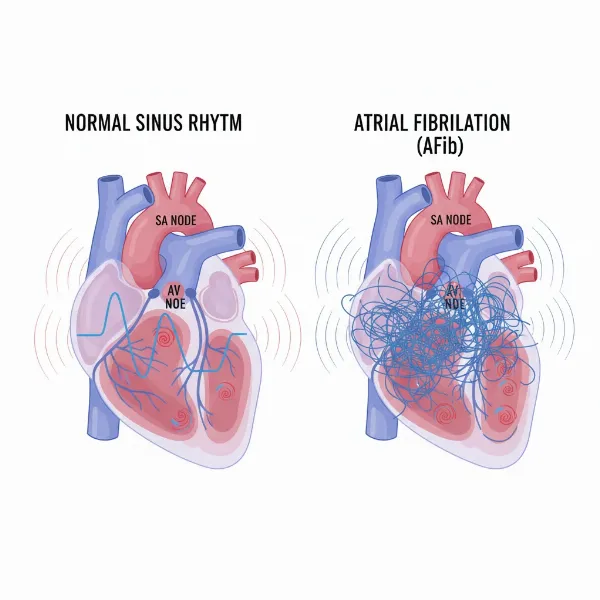 Illustration showing chaotic atrial fibrillation heartbeat compared to a normal sinus rhythm.
The Technology Behind Early Detection: How Smartwatches Work
Smartwatches leverage two primary technologies to detect AFib: Photoplethysmography (PPG) and Electrocardiogram (ECG).
Photoplethysmography (PPG)
PPG technology works by using green LED lights flashed against the skin. A photodetector measures the amount of light reflected back, which changes with blood volume variations caused by each heartbeat. By continuously monitoring these pulse patterns, the smartwatch can detect irregularities in heart rhythm. This passive, continuous monitoring is excellent for identifying moments when the heart rate might be abnormal, prompting a user to take further action.
Electrocardiogram (ECG/EKG)
When an irregular rhythm is detected by PPG, or if a user suspects an issue, the ECG feature provides a more detailed electrical reading of the heart. To record an on-demand, single-lead ECG, users typically place a finger from their opposite hand on the watch’s digital crown or bezel, completing an electrical circuit across their body. This 30-second recording generates an electrocardiogram similar to a standard medical lead, capturing vital information about the heart’s electrical activity and helping to confirm the presence of AFib.
The Power of Algorithms and AI
The raw data from both PPG and ECG sensors is processed by sophisticated algorithms, often powered by artificial intelligence. These algorithms analyze the rhythm and morphology of the heart’s electrical signals to identify patterns indicative of AFib. Devices that claim to detect AFib and provide medical-grade insights have typically undergone rigorous testing and received regulatory clearances, such as FDA clearance in the United States or TGA approval in Australia, underscoring their diagnostic accuracy.
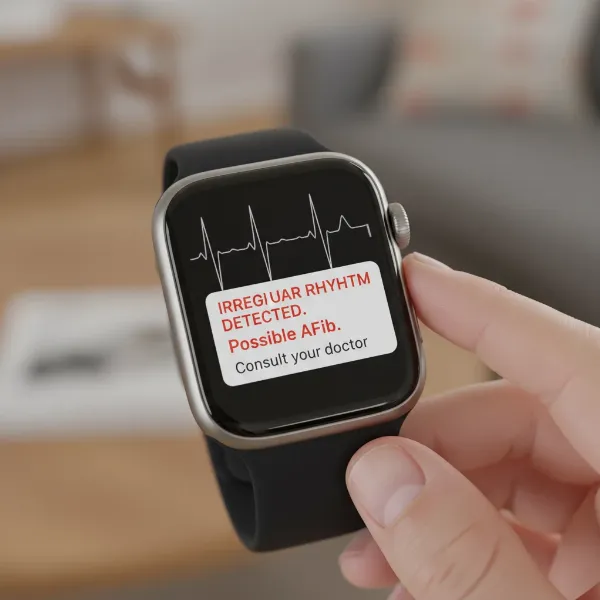 Smartwatch displaying an ECG waveform detecting an irregular heart rhythm.
The Life-Saving Impact: More Than Just a Gadget
The integration of ECG and AFib detection in smartwatches transcends mere convenience; it’s a significant advancement in preventive healthcare.
Early Warning System: For those living with undiagnosed AFib, particularly individuals who are asymptomatic, a smartwatch can be the first to flag an irregular heart rhythm. This early warning prompts them to seek medical attention before a serious event like a stroke occurs.
Continuous Monitoring and AFib Burden: Many smartwatches offer features like “AFib History,” which tracks the frequency and duration of AFib episodes over time. This continuous monitoring, often requiring the watch to be worn for many hours a day, provides valuable insights into a person’s “AFib burden” – how often their heart is in an irregular rhythm. This data is critical for physicians in making informed treatment decisions.
Empowering Patients and Physicians: Smartwatches empower individuals to take a proactive role in managing their heart health. Users can record and share detailed ECG readings, often in PDF format, directly with their doctors. This accessible, real-world data enhances conversations between patients and physicians, leading to more personalized and effective care plans.
Reducing Stroke Risk: By enabling early detection and ongoing management of AFib, smartwatches contribute directly to reducing the risk of stroke. Prompt diagnosis and treatment, such as prescribing blood thinners, can significantly mitigate this life-threatening complication.
“Smartwatches are transforming how we approach cardiac health, offering a bridge between continuous personal monitoring and professional medical oversight. They empower individuals to detect early signs of serious conditions like AFib, facilitating timely intervention that can profoundly alter life outcomes.” – Dr. Alistair Finch, Cardiologist
Accuracy and Reliability of Smartwatch AFib Detection
Research consistently demonstrates the high diagnostic accuracy of smartwatches in detecting AFib. Studies show pooled sensitivity (true positive rate) ranging from 86% to 94.81% and specificity (true negative rate) from 81.9% to 96.12% across various devices and research methodologies. While these figures are impressive, it’s crucial to understand that accuracy can be influenced by several factors, including the specific smartwatch model and software version, the quality of the ECG signal, and user-related factors like posture, movement during recording, and even high heart rates, which can sometimes challenge algorithms. Approximately 3% to 19% of readings might be inconclusive, emphasizing that these devices are screening tools, not definitive diagnostic instruments. Manual interpretation of readings by trained medical personnel can further enhance accuracy.
Leading Smartwatches with ECG and AFib Detection
Many major smartwatch brands have incorporated robust ECG and AFib detection features into their devices, often with regulatory clearances.
- Apple Watch: Pioneers in this space, Apple Watch Series 4 and later models offer an ECG app and irregular rhythm notifications. Their “AFib History” feature provides long-term tracking of AFib burden for diagnosed individuals, requiring consistent wear.
- Samsung Galaxy Watch: The Galaxy Watch series (Active2, Watch3, Watch4, Watch5, Watch6, Watch7) utilizes Samsung’s BioActive Sensor for ECG readings and irregular heart rhythm alerts, offering a strong option for Android users.
- Fitbit (Google Pixel Watch): Fitbit’s Sense series and Charge 5, along with the Google Pixel Watch (which leverages Fitbit technology), feature TGA-approved ECG apps for detecting AFib signs and providing irregular rhythm notifications.
- Withings ScanWatch: Known for its classic analog watch design blended with advanced health features, the ScanWatch series offers on-demand ECG and continuous irregular rhythm detection, often with an emphasis on longer battery life.
- Garmin Smartwatches: A growing number of Garmin models, including certain D2 Mach 1 Pro, epix Pro (Gen 2), fēnix 7 Pro series, and Venu series, now include ECG apps capable of detecting AFib, though availability can vary by region and often requires specific software updates.
| Feature / Brand | Apple Watch | Samsung Galaxy Watch | Fitbit Sense / Pixel Watch | Withings ScanWatch | Garmin (Select Models) |
|---|---|---|---|---|---|
| ECG App | Yes | Yes | Yes | Yes | Yes |
| AFib History | Yes (for diagnosed) | No | No | No | No |
| Irregular Rhythm Not. | Yes | Yes | Yes | Yes | Yes (Check model) |
| Continuous HR Mon. | Yes | Yes | Yes | Yes | Yes |
| Regulatory Clear. | FDA | FDA | TGA (Australia) / FDA | FDA | FDA (Check model/region) |
Choosing the Right Smartwatch for Your Heart Health
Selecting the ideal smartwatch for AFib detection involves thoughtful consideration of your personal needs and understanding the device’s capabilities.
Consult Your Doctor First: The most critical step is to discuss your heart health concerns and any potential smartwatch use with your healthcare provider. These devices are screening tools and complementary to medical care, not replacements for professional diagnosis or treatment.
Identify Your Needs: Do you primarily need continuous monitoring for irregular rhythms, or do you want the ability to take on-demand ECGs? Are you already diagnosed with AFib and looking to track your “burden,” or are you seeking initial detection? Your specific health goals will guide your choice.
Understand Limitations: Remember that smartwatches cannot directly detect heart attacks or strokes. They also may not capture every instance of AFib, especially if the episodes are very brief. It is crucial to be aware of these boundaries.
Regulatory Clearance: Prioritize devices that have received official regulatory clearances (like FDA or TGA) for their ECG and AFib detection features, as this indicates a level of clinical validation and reliability.
User-Friendliness and Data Sharing: Consider how easy the watch is to use and how readily you can access and share your heart health data with your doctor. A seamless user experience will encourage consistent use, maximizing the benefits.
Conclusion
Smartwatches have undeniably transformed personal health monitoring, particularly in the realm of cardiac care. Their ability to perform on-demand ECGs and continuously monitor for signs of Atrial Fibrillation represents a powerful tool in the fight against a silent and potentially dangerous condition. By providing early warnings and valuable data, these wearable technologies empower individuals to take proactive steps towards better heart health, potentially averting serious health crises. While a smartwatch is a remarkable companion for heart health awareness, it is an adjunct, not a substitute, for professional medical advice. Always consult your doctor regarding any heart concerns or before making health decisions based on device readings.
What advancements in smartwatch heart monitoring do you hope to see next?
Frequently Asked Questions
Can a smartwatch diagnose AFib?
No, a smartwatch cannot definitively diagnose AFib. It can detect signs of an irregular heart rhythm consistent with AFib and alert you, but only a healthcare professional can provide a formal diagnosis based on comprehensive medical evaluation.
How often should I take an ECG on my smartwatch?
If you receive an irregular rhythm notification, you should take an on-demand ECG as prompted. For general monitoring, some users take daily ECGs, but always follow your doctor’s recommendations or the device’s guidelines. For features like AFib History, consistent daily wear is often recommended.
Are smartwatch ECGs as accurate as hospital ECGs?
Smartwatch ECGs are generally considered accurate for detecting AFib. However, they are typically single-lead ECGs, offering a limited view compared to the multi-lead ECGs performed in a clinical setting, which provide a more comprehensive picture of heart health. They are excellent screening tools but not replacements for diagnostic medical equipment.
What should I do if my smartwatch detects an irregular rhythm?
If your smartwatch alerts you to an irregular heart rhythm or signs of AFib, the most important step is to contact your doctor immediately. Share the recorded ECG data and any symptoms you might be experiencing. Your doctor will determine if further diagnostic tests or treatment are necessary.
Can smartwatches detect other heart conditions?
Smartwatches are primarily validated for detecting Atrial Fibrillation and monitoring heart rate. While they can identify abnormal heart rates (too high or too low), they are not designed to detect other complex heart conditions like heart attacks, blood clots, or structural heart disease. If you experience symptoms of a heart attack or stroke, seek emergency medical attention immediately.