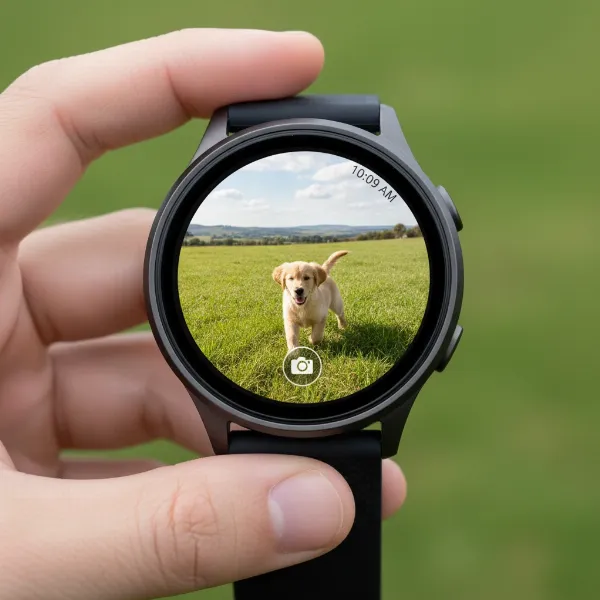
In our fast-paced world, managing stress and maintaining mental well-being has become more critical than ever. Smartwatches have evolved beyond simple fitness trackers, now offering sophisticated tools to help us navigate these daily pressures. The Fitbit Sense 3 steps into this arena as a dedicated ally, building on its predecessors’ strengths to deliver an even more comprehensive approach to holistic health, with a particular emphasis on stress management. If you’re seeking a wearable that goes beyond counting steps to genuinely understand and support your mental state, the Sense 3 aims to be your most intuitive companion.
The Evolution of Stress Monitoring: What the Sense 3 Brings
The Fitbit Sense series has always been at the forefront of stress detection, and the Sense 3 elevates this crucial aspect, offering users deeper insights and actionable strategies to maintain their calm. This iteration refines existing sensors and introduces enhanced algorithms, making stress management more integrated into your daily health overview.
Redefined EDA Sensor Technology
The Sense 3 introduces continuous electrodermal activity (cEDA) monitoring, a significant leap from the previous on-demand scans. This means the device can track changes in your skin’s electrical conductivity throughout the day, providing a more comprehensive picture of your body’s physiological responses to stress. The continuous data feeds into an improved daily Stress Management Score, offering a clear, quantifiable metric of your stress levels.
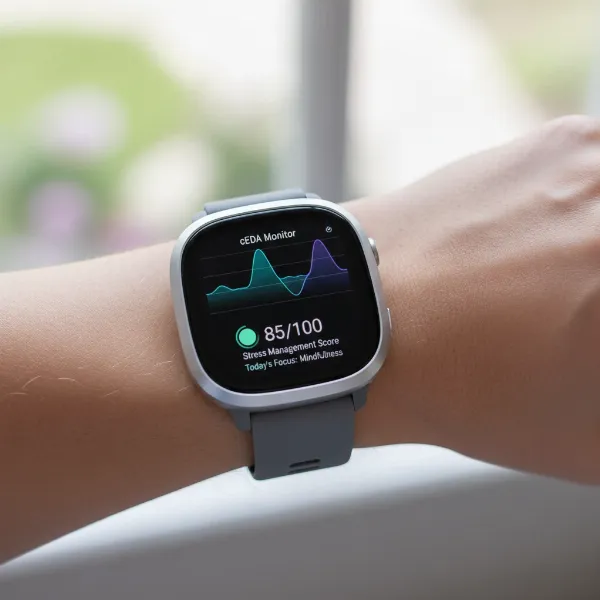 Fitbit Sense 3 smartwatch displaying a continuous EDA scan and stress management score.
- Advantages: Continuous monitoring offers richer data, leading to more accurate insights into stress triggers and patterns. On-demand scans are still available for focused moments of reflection. The insights are easily accessible via the Fitbit app, translating complex data into understandable trends.
- Disadvantages: While highly advanced, the full potential of these insights often requires a Fitbit Premium subscription, which can be an additional cost. The accuracy relies on consistent wear and proper device placement.
- Key Features: Continuous EDA monitoring, guided reflection prompts following stress events, a personalized daily Stress Management Score, and personalized recommendations for coping strategies.
- Who it’s for?: Individuals who experience chronic stress, those looking to identify specific stress triggers, or anyone aiming for a more proactive approach to their mental well-being will find this feature invaluable.
|
Our Picks for the Best Smartwatch in 2026
As an Amazon Associate I earn from qualifying purchases.
|
||
| Num | Product | Action |
|---|---|---|
| 1 | SAMSUNG Galaxy Watch 7 40mm Bluetooth AI Smartwatch w/Energy Score, Wellness Tips, Heart Rate Tracking, Sleep Monitor, Fitness Tracker, 2024, Cream [US Version, 1Yr Manufacturer Warranty] |
![Check SAMSUNG Galaxy Watch 7 40mm Bluetooth AI Smartwatch w/Energy Score, Wellness Tips, Heart Rate Tracking, Sleep Monitor, Fitness Tracker, 2024, Cream [US Version, 1Yr Manufacturer Warranty] on Amazon](https://smartwatchus.com/wp-content/plugins/amazon-tables/assets/images/buy.png)
|
| 2 | Smart Watch for Men, 120 Sports Modes Smartwatch with 1.83" HD Touchsreen, IP67 Waterproof, Sleep Monitor, Bluetooth Call & Music Control Fitness Watch for Android/iPhone (Black) |
|
| 3 | WHOOP 5.0/MG Activity Tracker - 12 Month Membership - Health and Fitness Wearable – 24/7 Activity and Sleep Tracker, Personalized Coaching, Menstrual Cycle Insights – 14+ Days Battery Life |
|
| 4 | Smart Watch for Men Women Compatible with iPhone Samsung Android Phone 1.83 inch Full Touch Screen IP68 Waterproof Bluetooh Fitness Tracker Heart Rate/Sleep Monitor, Black |
|
| 5 | Apple Watch Series 11 [GPS 46mm] Smartwatch with Jet Black Aluminum Case with Sport Band - M/L. Sleep Score, Fitness Tracker, Health Monitoring, Always-On Display, Water Resistant |
|
| 6 | Apple Watch Series 11 [GPS 42mm] Smartwatch with Rose Gold Aluminum Case with Light Blush Sport Band - S/M. Sleep Score, Fitness Tracker, Health Monitoring, Always-On Display, Water Resistant |
|
| 7 | Smart Watch, 2026 AMOLED 1.43" Fitness Smartwatch for Men Women, Bluetooth 5.4 Call, 130+Sports Modes, 60+Days Flashlight, Heart Rate/Sleep Monitor, IP68 Waterproof Activity Tracker for Android iOS |
|
| 8 | Amazfit Bip 6 Smart Watch 46mm, 14 Day Battery, 1.97" AMOLED Display, GPS & Free Maps, AI, Bluetooth Call & Text, Health, Fitness & Sleep Tracker, 140+ Workout Modes, 5 ATM Water-Resistance, Black |
|
| 9 | Smart Watch with Alexa Built-in, 1.83" HD Touchscreen Fitness Tracker with Bluetooth Calling, Fitness Watch with Heart Rate/Sleep Monitor, 120+ Sports Modes, IP68 Waterproof Smartwatch for Android iOS |
|
| 10 | Smart Watch for Men, 120+ Sports Modes Smartwatch with 1.83" HD Touchsreen, Sleep Monitor, IP67 Waterproof, Bluetooth Call & Music Control Fitness Watch for iPhone/Android Black |
|
Holistic Health Integration for Stress Reduction
Stress is rarely an isolated event; it’s often intertwined with sleep quality, physical activity, and overall physiological balance. The Sense 3 understands this interconnectedness, integrating various health metrics to provide a 360-degree view of your well-being, all contributing to better stress management.
- Sleep Tracking: Advanced sleep stages (Light, Deep, REM) and a Sleep Score help users understand how restorative their sleep is. Poor sleep directly impacts stress levels, and the Sense 3 provides actionable tips to improve sleep hygiene, thereby indirectly reducing stress.
- Heart Rate Variability (HRV): Tracking HRV offers another crucial indicator of your body’s response to stress. A higher HRV generally signifies better resilience to stress, while a lower HRV can indicate increased tension. The Sense 3 monitors this metric, providing trends over time to help you identify patterns.
- Mindfulness Sessions and Guided Breathing: Access to a library of guided meditation and breathing exercises directly from your wrist helps you find moments of calm throughout your day. These features are designed to mitigate acute stress and build long-term resilience.
- Temperature Tracking: The on-wrist skin temperature sensor detects subtle changes that can be indicative of illness or stress, providing another layer of data for a holistic health assessment. Abnormal temperature variations can be an early warning sign, allowing for proactive rest and stress reduction.
Beyond Stress: Comprehensive Smartwatch Capabilities
While stress management is the Sense 3’s standout feature, it doesn’t compromise on the essential smartwatch functionalities users expect. It seamlessly blends advanced health tracking with robust fitness capabilities and convenient smart features, making it a versatile wearable.
Fitness and Activity Tracking
For those dedicated to an active lifestyle, the Sense 3 offers a comprehensive suite of fitness tracking tools to monitor workouts, measure progress, and motivate you towards your goals.
- Advantages: With over 40 workout modes, built-in GPS for outdoor activities, and Active Zone Minutes that motivate you to reach personalized heart rate targets, the Sense 3 is a powerful fitness companion. Its automatic workout detection is also a convenient feature.
- Disadvantages: While excellent for general fitness tracking, it might not offer the hyper-specialized metrics some professional athletes require compared to dedicated sports watches. The app ecosystem, while growing, may still feel less expansive than some competitors.
- Key Features: Built-in GPS, 24/7 heart rate tracking, Active Zone Minutes, daily readiness score (with Premium), automatic exercise recognition, and detailed workout summaries.
- Target Audience: From casual walkers to avid runners and gym-goers, the Sense 3 provides robust data to track and improve various physical activities.
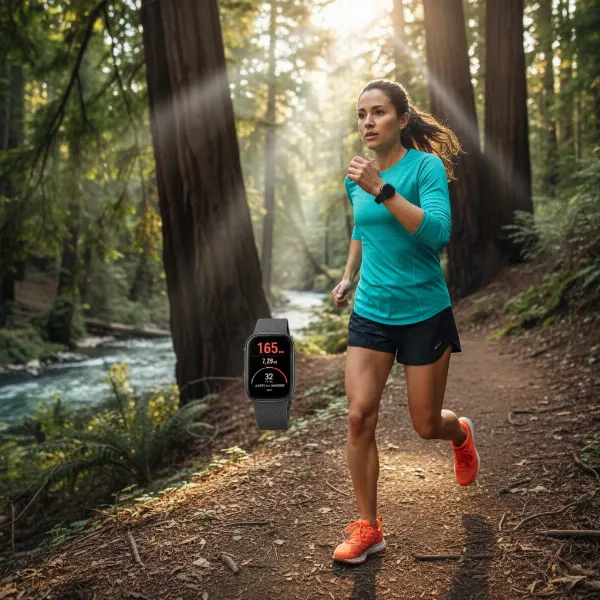 Person running outdoors wearing a Fitbit Sense 3 smartwatch, tracking fitness metrics.
Smart Features and Connectivity
The Sense 3 aims to keep you connected and informed without overwhelming you, blending convenience with smart notifications and essential communication tools.
- Pros: Enhanced AI integration promises smarter interactions and more personalized insights. Bluetooth 5.3 offers improved connectivity and efficiency. You can receive calls and text notifications directly on your wrist, and some versions allow for on-wrist calls.
- Cons: While it supports voice assistants, some users might desire a more extensive third-party app ecosystem found on other smartwatches. The user experience with certain smart features, like full music control, may vary.
- Key Features: Smart notifications for calls, texts, and apps; on-wrist Bluetooth calls (on compatible models); integrated voice assistant support; and a growing selection of essential apps.
- Who it’s for?: Individuals who want to stay connected and manage notifications conveniently from their wrist, without needing the full app store capabilities of a smartphone-on-a-wrist device.
Design, Display, and Battery Life
A smartwatch is a constant companion, and its design, display clarity, and battery endurance are paramount to the user experience. The Sense 3 combines aesthetic appeal with practical functionality.
Aesthetic and Comfort
The Sense 3 retains the sleek, modern aesthetic that has become a hallmark of the Fitbit Sense line. Its sophisticated look makes it suitable for both casual wear and more formal settings, while ergonomic considerations ensure all-day comfort.
- Pros: Features a vibrant AMOLED display, offering crisp visuals and deep blacks, ensuring readability in various lighting conditions. The design is lightweight and comfortable for continuous wear, crucial for accurate health tracking. High-quality materials contribute to a premium feel.
- Cons: Design preferences are subjective; some may prefer a round watch face over the Sense’s iconic “squircle” shape. While bands are interchangeable, the proprietary connector might limit third-party options compared to standard watch straps.
- Key Features: Always-on AMOLED display, premium materials for durability, and a comfortable, ergonomic design suitable for continuous wear, including sleep.
Powering Your Wellness Journey
Battery life is a critical factor for any wearable, especially one designed for continuous health monitoring. The Sense 3 aims to minimize charging interruptions, supporting uninterrupted tracking.
- Battery Life: The Sense 3 boasts an impressive battery life of up to 7 days on a single charge, depending on usage and features enabled. This is a significant advantage, particularly when compared to smartwatches that require daily charging.
- Charging: It uses a proprietary charging cable, offering relatively quick charging times to get you back to tracking swiftly.
Fitbit Sense 3 vs. The Competition
Understanding where the Sense 3 stands against its rivals is key to making an informed decision. While many smartwatches offer health features, the Sense 3 carves out a niche with its dedicated focus on stress management.
Apple Watch (e.g., Series 9/10)
The Apple Watch is a powerhouse in the smartwatch world, deeply integrated into the iOS ecosystem.
- Pros: Unparalleled app ecosystem, seamless integration with iPhones, advanced health features like ECG and blood oxygen, and robust communication tools.
- Cons: Significantly shorter battery life (often requiring daily charging), and while it tracks stress indirectly through HRV and mindfulness apps, it lacks a dedicated cEDA sensor for physiological stress response monitoring. Higher price point.
- Price: Typically starts higher than the Sense 3.
Samsung Galaxy Watch (e.g., Galaxy Watch 6)
A strong contender for Android users, the Galaxy Watch series offers robust features and a sleek design.
- Pros: Excellent integration with Android phones, comprehensive health tracking including body composition, a wide range of apps, and good performance.
- Cons: Battery life, while better than Apple Watch, often doesn’t match Fitbit’s 7-day endurance. Its stress tracking is good, but the Sense 3’s continuous EDA and dedicated score offer a more focused approach to physiological stress.
- Price: Comparable or slightly higher than the Sense 3.
Garmin (e.g., Venu 3)
Garmin excels in fitness tracking and battery life, appealing to serious athletes and outdoor enthusiasts.
- Pros: Exceptional multi-day battery life, superior GPS accuracy, vast array of sports-specific metrics, and robust health tracking including Body Battery for energy levels and advanced sleep tracking.
- Cons: While Garmin offers stress tracking, its smart features and app ecosystem are generally less developed than Apple or Samsung. Its primary focus remains on fitness, with stress management being a supplementary feature rather than the core pillar.
- Price: Can range from comparable to significantly higher than the Sense 3, depending on the model.
Is the Fitbit Sense 3 Right for You?
Choosing the right smartwatch depends entirely on your personal priorities and lifestyle. The Fitbit Sense 3 makes a compelling case, particularly for a specific kind of user.
Determining Your Needs
Begin by identifying your primary motivation for a smartwatch. Are you primarily looking to monitor and manage your stress levels more effectively? Do you need a reliable fitness tracker, or are comprehensive smart features your top priority?
- Stress Management: If you prioritize understanding and reducing stress, the Sense 3’s advanced EDA sensor and holistic insights make it a top contender.
- Fitness Tracking: It offers solid all-around fitness tracking for most users, including GPS and heart rate monitoring.
- Smart Features: While it provides essential notifications and voice assistant support, it’s not designed to be a full-fledged smartphone replacement.
Budget Considerations
The Fitbit Sense 3 is positioned as a premium health smartwatch, priced at approximately $329.99. Consider how this fits into your budget and whether the specialized stress management features justify the investment compared to less expensive trackers or more feature-rich but pricier competitors.
Brand and Style Preference
If you’re already integrated into the Fitbit ecosystem, the Sense 3 offers a seamless upgrade path. Its sleek design and comfortable fit appeal to those who want a stylish yet functional wearable. The “squircle” design is distinct and widely recognized.
Other Factors
- Size: Ensure the watch size and weight are comfortable for your wrist, especially for continuous wear and sleep tracking.
- Battery Life: The Sense 3’s up to 7-day battery life is a major selling point for those who dislike frequent charging.
- Water Resistance: It typically offers significant water resistance, making it suitable for swimming and showering.
- Operating System: The Fitbit OS is intuitive and user-friendly, focused on health and fitness metrics.
The Fitbit Sense 3 positions itself not just as a device, but as a proactive health partner. Its refined stress management capabilities, coupled with robust fitness and essential smart features, make it an exceptional choice for anyone looking to gain a deeper understanding of their mental and physical well-being. By offering continuous physiological insights into stress and tangible tools for mitigation, the Sense 3 empowers users to take control of their health in a truly holistic way. For those whose daily lives are increasingly impacted by stress, this smartwatch could be the key to unlocking a calmer, more balanced existence. What aspect of your well-being do you feel a smartwatch could help you improve the most?
Frequently Asked Questions
How accurate is the Sense 3’s stress tracking?
The Fitbit Sense 3 utilizes advanced continuous electrodermal activity (cEDA) sensors to detect subtle changes in your body’s stress responses, providing a highly accurate physiological assessment. Combined with heart rate variability (HRV), sleep data, and daily reflections, it offers a comprehensive and personalized Stress Management Score, designed to give reliable insights into your body’s reactions to daily stressors.
Does the Fitbit Sense 3 require a Premium subscription for all features?
While the Fitbit Sense 3 offers many core health and fitness tracking features out of the box, some of its most advanced insights and personalized guidance, particularly for stress management, sleep analysis, and detailed health metrics, are unlocked with a Fitbit Premium subscription. This includes access to a daily readiness score, extensive mindfulness content, and deeper trend analysis.
Can the Sense 3 replace a medical device for stress/heart health?
No, the Fitbit Sense 3 is designed as a consumer wellness device and is not intended to be a substitute for professional medical advice, diagnosis, or treatment. While it provides valuable insights into stress and heart health indicators like irregular heart rhythm notifications, these features should not be used to diagnose or treat medical conditions. Always consult with a qualified healthcare professional for any health concerns.
What are the main improvements from Sense 2 to Sense 3?
The Fitbit Sense 3 refines its predecessor with several key enhancements, most notably the transition to continuous electrodermal activity (cEDA) monitoring for more persistent and accurate stress detection. It also features enhanced AI integration for smarter insights, an upgraded Bluetooth 5.3 for better connectivity, and potentially improved irregular heart rhythm notifications, building on the Sense 2’s foundation with a greater emphasis on proactive stress management.