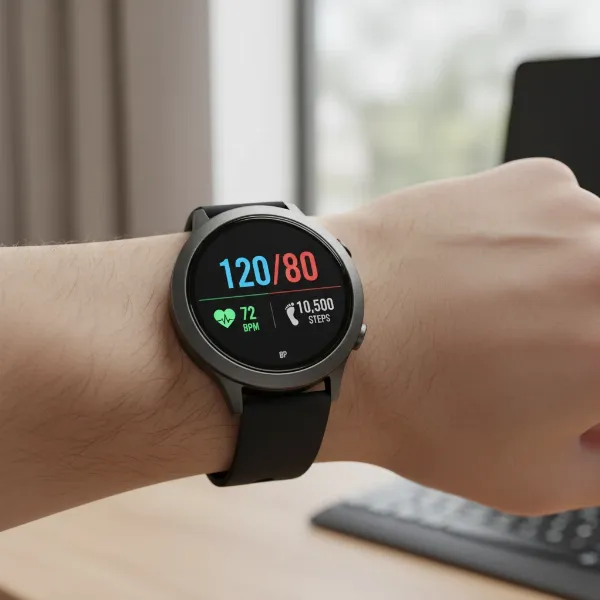
In the rapidly evolving world of wearable technology, two distinct philosophies often emerge when choosing a device to track your health and fitness: the all-encompassing smartwatch with a vibrant display, and the discreet, screen-free health tracker focused solely on data. The Apple Watch, a prominent figure in the former category, offers a rich, interactive display and a myriad of smartwatch functionalities. In contrast, the Whoop Strap champions the latter, providing in-depth physiological insights without the distraction of a screen. This fundamental difference—the presence or absence of a display—shapes not only the user experience but also the core purpose and ideal user for each device. Deciding between them means weighing convenience against deep analytics, connectivity against focus, and an active interface against passive monitoring.
Types of Popular Smartwatches on the Market
The wearable market has diversified significantly, catering to various user needs and preferences. Understanding these broad categories helps contextualize where the Apple Watch and Whoop Strap fit in.
Smartwatches for Sports and Performance Tracking
These devices prioritize robust fitness tracking, advanced metrics, and durability, often appealing to athletes and serious enthusiasts.
- Pros: Highly accurate sensors, advanced performance metrics (VO2 Max, recovery, training load), GPS, heart rate monitoring, and often enhanced water resistance. Many offer long battery life or specific sport modes.
- Cons: Can be more expensive, some designs are bulky, and advanced features might be overwhelming for casual users.
- Key Features: Continuous heart rate tracking, GPS for route tracking, multi-sport modes, sleep analysis, recovery metrics, advanced caloric expenditure. Whoop Strap fits squarely into this category, albeit without a display. It delivers precise physiological data, focusing on continuous monitoring of recovery, strain, and sleep.
- Who Is It For?: Athletes, fitness enthusiasts, individuals committed to optimizing their training and recovery, and those who desire deep analytical insights into their body’s performance.
|
Our Picks for the Best Smartwatch in 2026
As an Amazon Associate I earn from qualifying purchases.
|
||
| Num | Product | Action |
|---|---|---|
| 1 | WHOOP 5.0/MG Activity Tracker - 12 Month Membership - Health and Fitness Wearable – 24/7 Activity and Sleep Tracker, Personalized Coaching, Menstrual Cycle Insights – 14+ Days Battery Life |

|
| 2 | Smart Watch, 2026 AMOLED 1.43" Fitness Smartwatch for Men Women, Bluetooth 5.4 Call, 130+Sports Modes, 60+Days Flashlight, Heart Rate/Sleep Monitor, IP68 Waterproof Activity Tracker for Android iOS |
|
| 3 | SAMSUNG Galaxy Watch 7 40mm Bluetooth AI Smartwatch w/Energy Score, Wellness Tips, Heart Rate Tracking, Sleep Monitor, Fitness Tracker, 2024, Cream [US Version, 1Yr Manufacturer Warranty] |
|
| 4 | Smart Watch for Men, 120 Sports Modes Smartwatch with 1.83" HD Touchsreen, IP67 Waterproof, Sleep Monitor, Bluetooth Call & Music Control Fitness Watch for Android/iPhone (Black) |
|
| 5 | Smart Watch for Men Women Compatible with iPhone Samsung Android Phone 1.83 inch Full Touch Screen IP68 Waterproof Bluetooh Fitness Tracker Heart Rate/Sleep Monitor, Black |
|
| 6 | Apple Watch Series 11 [GPS 42mm] Smartwatch with Rose Gold Aluminum Case with Light Blush Sport Band - S/M. Sleep Score, Fitness Tracker, Health Monitoring, Always-On Display, Water Resistant |
|
| 7 | Apple Watch Series 11 [GPS 46mm] Smartwatch with Jet Black Aluminum Case with Sport Band - M/L. Sleep Score, Fitness Tracker, Health Monitoring, Always-On Display, Water Resistant |
|
| 8 | Amazfit Bip 6 Smart Watch 46mm, 14 Day Battery, 1.97" AMOLED Display, GPS & Free Maps, AI, Bluetooth Call & Text, Health, Fitness & Sleep Tracker, 140+ Workout Modes, 5 ATM Water-Resistance, Black |
|
| 9 | Smart Watch for Men, 120+ Sports Modes Smartwatch with 1.83" HD Touchsreen, Sleep Monitor, IP67 Waterproof, Bluetooth Call & Music Control Fitness Watch for iPhone/Android Black |
|
| 10 | Smart Watch with Alexa Built-in, 1.83" HD Touchscreen Fitness Tracker with Bluetooth Calling, Fitness Watch with Heart Rate/Sleep Monitor, 120+ Sports Modes, IP68 Waterproof Smartwatch for Android iOS |
|
Fashion-Forward Smartwatches
Blending technology with aesthetics, these wearables aim to complement personal style while offering smart functionalities.
- Pros: Stylish designs, customizable watch faces, premium materials, and seamless integration with smartphone features.
- Cons: Often prioritize form over extreme ruggedness, and advanced fitness features might not be as in-depth as dedicated sports trackers.
- Key Features: High-resolution displays, interchangeable bands, notifications, contactless payments, music control, and basic activity tracking. The Apple Watch, particularly its standard series, falls into this category with its sleek design and extensive customization options.
- Who Is It For?: Users who value aesthetics and seamless integration with their digital life, seeking a device that looks good and keeps them connected.
Multifunctional Smartwatches
These are the all-rounders, offering a wide array of features for communication, health, and fitness, making them suitable for everyday use.
- Pros: Comprehensive feature sets including communication, health monitoring, fitness tracking, and app ecosystems. They aim to be a versatile extension of your smartphone.
- Cons: Battery life can be shorter due to power-hungry displays and processors, and some advanced health metrics might not match dedicated trackers.
- Key Features: OLED display, app store access, calling/texting capabilities, ECG, fall detection, emergency SOS, heart rate monitoring, step counting, and sleep tracking. The Apple Watch epitomizes the multifunctional smartwatch, serving as a communication hub, a health monitor, and a fitness companion all on your wrist.
- Who Is It For?: General consumers, iPhone users seeking seamless integration, and those who want a single device for a broad range of daily tasks and health insights.
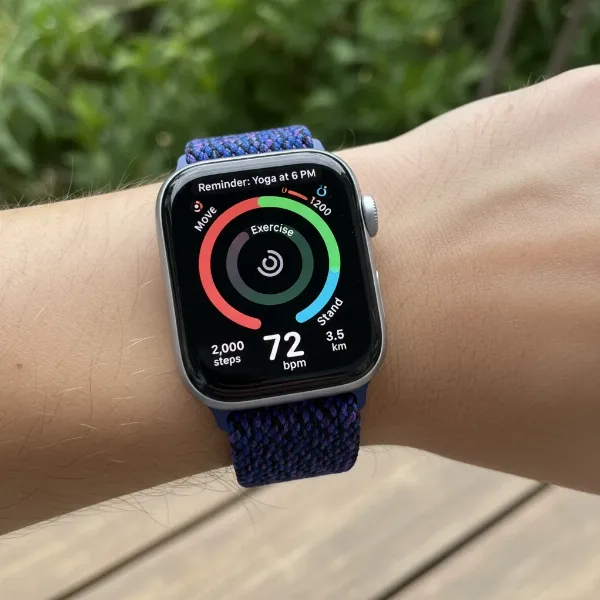 Apple Watch on a wrist displaying health metrics and smart features for daily use.
Apple Watch vs. Whoop Strap: A Head-to-Head Battle
The central debate often boils down to a fundamental design choice: do you prefer a display or not? This choice dictates much of the user experience and the device’s primary function.
Apple Watch: The Smartwatch with a Screen
The Apple Watch stands as the quintessential smartwatch, boasting a vibrant display that transforms it into a miniature computer on your wrist.
- Pros:
- Real-time Information & Interaction: The always-on retina display (on newer models) provides immediate access to time, notifications, fitness metrics, apps, and controls without needing to pull out your phone.
- Versatility & Connectivity: It acts as a communication hub, enabling calls, texts, and app interactions directly from the wrist. It offers extensive smart features like Apple Pay, Siri, and a vast app ecosystem.
- Comprehensive Health Monitoring: Beyond fitness, it includes ECG capabilities, blood oxygen tracking, irregular heart rhythm notifications, temperature sensing, and robust activity tracking (steps, calories, various workouts).
- Aesthetics & Customization: A wide range of styles, materials, and watch bands make it a fashionable accessory.
- Cons:
- Battery Life: The demanding display and powerful processor lead to a shorter battery life, typically requiring daily charging (18-36 hours).
- Distraction: The constant stream of notifications and the interactive screen can be a source of distraction during workouts or focused tasks.
- Data Depth: While good for general fitness, its physiological data collection (e.g., heart rate sampling frequency) and actionable insights, especially for recovery, may not be as profound as dedicated trackers.
- Key Features: Always-on OLED display, comprehensive health sensors (ECG, blood oxygen, temperature), extensive app library, cellular connectivity options, robust activity tracking, fall detection, emergency SOS.
- Price: Ranges from $399-$699 (depending on finish and size for Series 10), with no ongoing subscription fees for core functionalities.
Whoop Strap: The Screen-Free Performance Coach
The Whoop Strap takes a minimalist approach, shedding the display to focus entirely on deep physiological insights and recovery optimization.
- Pros:
- Distraction-Free Experience: Without a screen, there are no notifications or interactive elements to divert your attention, encouraging a focus on the body’s natural rhythms and overall data trends.
- In-Depth Physiological Tracking: Whoop excels at 24/7 heart rate monitoring (sampling 100 times per second), heart rate variability (HRV), respiratory rate, skin temperature, and blood oxygen, providing highly granular data for recovery, strain, and sleep.
- Actionable Recovery Insights: It offers a unique recovery score and actionable recommendations based on accumulated strain and sleep debt, helping users avoid overtraining and optimize performance.
- Exceptional Battery Life: Lasting 4-5 days on a single charge, with convenient on-wrist charging, it offers superior endurance compared to most smartwatches.
- Designed for Serious Athletes: Its focus on deep metrics and recovery makes it a favored tool for competitive athletes and dedicated fitness enthusiasts.
- Cons:
- No Real-time Data at a Glance: All data, metrics, and insights must be viewed through the accompanying smartphone app, which can be inconvenient for immediate post-workout checks.
- Subscription Model: Whoop operates on a mandatory subscription model (around $30/month or an annual fee), which adds significant long-term cost.
- Limited Smartwatch Functions: Beyond a haptic alarm, it offers no traditional smartwatch features like notifications, apps, or time display.
- No Step Tracking: Unlike most wearables, Whoop does not track daily steps.
- Key Features: 24/7 heart rate monitoring, advanced HRV analysis, sleep tracking with stages, recovery score, strain coach, skin temperature, blood oxygen.
- Price: Requires a subscription (e.g., $239 for annual membership or $399 for 24-month membership), no upfront device cost in most scenarios.
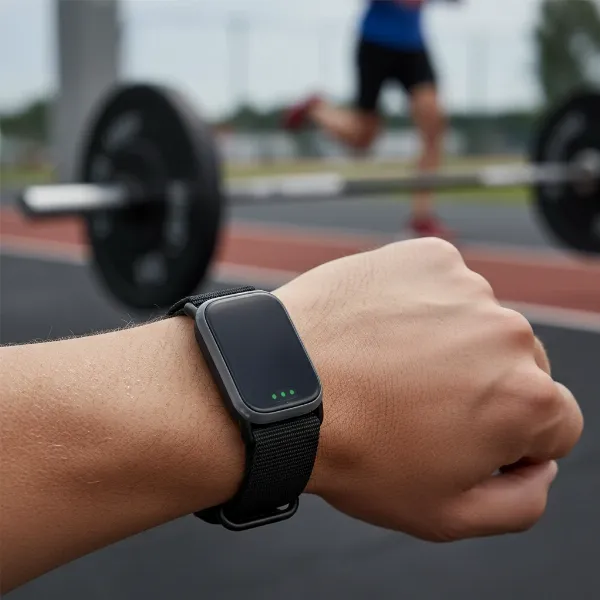 Whoop Strap on an athlete's arm, focusing on its minimalist design and sensor.
Detailed Comparison Table for Wearables
| Feature | Apple Watch Series 10 (example) | Whoop Strap 4.0/5.0 |
|---|---|---|
| Display | Always-on OLED Retina Display | None (Screen-free) |
| Primary Focus | Smartwatch, General Health & Fitness | Deep Physiological Data, Recovery, Strain |
| Battery Life | Up to 18-36 hours | 4-5 days |
| Real-time Data | Yes, on-wrist | No, app-dependent |
| Notifications | Yes | No |
| Calling/Texting | Yes (with cellular or paired iPhone) | No |
| App Ecosystem | Extensive (App Store) | Limited to Whoop app |
| Subscription | No (for core features) | Yes (mandatory monthly/annual fee) |
| HR Monitoring | Periodic, continuous during workouts | 24/7, 100 times/second sampling |
| Sleep Tracking | Duration, consistency, basic stages | Deep stages, sleep debt, recovery insights |
| Recovery Metrics | Basic | Advanced (Recovery Score, HRV) |
| Workout Tracking | Broad range (approx. 20 types) | Over 100 types, focus on strain |
| Step Tracking | Yes | No |
| Price (approx.) | $399-$699 (upfront) | ~$30/month (subscription) |
| Water Resistance | 50 meters | Up to 10 meters for 2 hours |
Other Noteworthy Wearables
While the Apple Watch and Whoop represent two distinct ends of the wearable spectrum concerning display and focus, other brands also offer compelling options, typically with a display, catering to various niches:
- Samsung Galaxy Watch: A direct competitor to Apple Watch in the Android ecosystem, offering similar smartwatch features, comprehensive health tracking, and stylish designs.
- Garmin: Known for its robust GPS watches and advanced metrics for serious athletes, often with longer battery life than Apple Watch, though usually with less interactive screens or transflective displays to preserve power.
- Fitbit: Specializes in accessible fitness trackers and smartwatches, focusing on daily activity, sleep, and general wellness, often at a more affordable price point.
These brands generally include a display, making them closer in user experience to the Apple Watch than the Whoop Strap, but they differentiate themselves through specific ecosystem integration, sport focus, or price.
Guide to Choosing the Right Wearable
Selecting the ideal wearable requires a clear understanding of your priorities, especially when considering the fundamental difference of having a display or not.
Determine Your Usage Needs
Before anything else, ask yourself what you truly need from a device strapped to your wrist.
- For what purpose do you need a wearable? If communication, convenience, and a wide array of apps are paramount, the Apple Watch with its display will serve you best. If deep physiological understanding, recovery optimization, and a distraction-free approach to health data are your goals, the Whoop Strap is more suitable.
- Which features are important to you? Do you need real-time notifications, the ability to control music, or make payments from your wrist? These require a display. Or are you content with simply collecting background health data and reviewing it later on your phone, prioritizing uninterrupted focus?
Budget Considerations
The financial commitment for these devices differs significantly.
- How much are you willing to spend upfront versus over time? The Apple Watch is a higher upfront cost but has no mandatory ongoing subscription. The Whoop Strap has a lower or no upfront device cost but requires a continuous subscription, which can become more expensive than an Apple Watch over several years.
Brand and Ecosystem
Your existing tech ecosystem can heavily influence your choice.
- Should you choose a specific brand? If you’re an iPhone user, the Apple Watch offers unparalleled seamless integration. For those outside the Apple ecosystem or those prioritizing dedicated health data, Whoop is universally compatible with iOS and Android.
- Which model fits your style and lifestyle? Do you prefer the sleek, customizable look of a traditional smartwatch that acts as a fashion accessory and a utility device, or the understated, discreet design of a band focused solely on data collection?
Other Factors
Don’t overlook these practical aspects that impact daily use.
- Size: Consider how the device feels on your wrist. The Apple Watch comes in various sizes, while the Whoop is a more minimalist band.
- Battery Life: This is a critical differentiator. Are you comfortable with daily charging, or do you need a device that lasts for days, like the Whoop?
- Water Resistance: Both devices offer water resistance, suitable for swimming and showering, but check specific ratings if you’re involved in extreme water sports.
- Operating System: Apple Watch runs watchOS, tightly integrated with iOS. Whoop’s experience is solely through its dedicated app, independent of a full smartwatch OS.
Conclusion
The choice between an Apple Watch and a Whoop Strap ultimately hinges on your personal philosophy for wearable technology. The Apple Watch, with its vibrant display and expansive feature set, embodies the future of the multifunctional smartwatch—a connected extension of your digital life that provides convenience and a broad spectrum of health and fitness tracking. In contrast, the Whoop Strap, by eliminating the display, offers a focused, distraction-free experience centered on deep physiological data, recovery optimization, and peak performance, positioning itself as a serious tool for dedicated athletes.
Whether you prefer the active, interactive nature of a display that keeps you connected and informed in real-time, or the passive, analytical depth of a screen-free device that empowers holistic health insights, both offer compelling paths to understanding your body better. What truly matters is aligning the device with your specific needs, lifestyle, and how you wish to engage with your health data. What kind of wearable best supports your journey?
Frequently Asked Questions
Is Whoop more accurate than Apple Watch for fitness tracking?
For general activity tracking like steps and calories, both are proficient. However, for continuous, in-depth physiological data like heart rate variability, detailed sleep stages, and recovery metrics, Whoop’s higher sampling rate and specialized algorithms generally provide more granular and actionable insights than the Apple Watch.
Why would someone choose a wearable without a display?
Choosing a screen-free wearable like Whoop is often motivated by a desire to reduce digital distractions, avoid the “always-on” feeling of a smartwatch, and focus on the deeper, trend-based insights rather than immediate, surface-level data. It’s about passive data collection for comprehensive analysis.
Can the Apple Watch track recovery as well as Whoop?
While the Apple Watch offers sleep tracking and heart rate data that contribute to recovery understanding, it does not provide the same level of integrated, actionable recovery scores and insights as Whoop. Whoop’s entire system is built around quantifying recovery and strain to guide training decisions.
What are the hidden costs of Whoop vs. Apple Watch?
The primary “hidden” cost for Whoop is its mandatory subscription, which accumulates over time. For the Apple Watch, while there are no core subscription fees, potential costs could include AppleCare+, cellular plan additions, or paid third-party apps, though these are optional.