Are you among the millions wondering if it’s time to upgrade your wristwear? The perpetual dilemma of whether the latest Apple Watch truly justifies an investment is a question many tech enthusiasts and casual users alike face annually. Released in September 2025, the Apple Watch Series 11 steps onto the scene, promising subtle refinements and key enhancements. This comprehensive review will delve into its new features, compare it against its predecessors and market rivals, and ultimately help you decide if this iteration is the right smart companion for your wrist and wallet.
Popular Smartwatch Types on the Market
The smartwatch landscape is diverse, catering to a wide array of lifestyles and preferences. Understanding these categories is crucial before determining where the Apple Watch Series 11 fits.
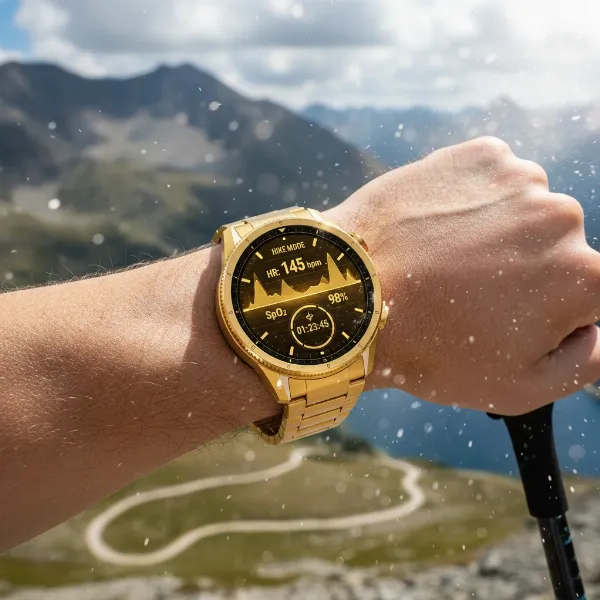
Smartwatches for Sports & Fitness
These devices are engineered for activity trackers, athletes, and outdoor enthusiasts. They prioritize robust sensors, accurate GPS, advanced workout metrics, and often longer battery life.
- Pros: Highly accurate fitness tracking, specialized sports modes, often rugged designs, advanced health monitoring.
- Cons: Can be bulky, sometimes lack sophisticated smart features, may have a less “fashionable” aesthetic.
- Key Features: Integrated GPS, heart rate monitoring, blood oxygen, advanced workout detection, water resistance (often to greater depths), recovery metrics, sometimes longer battery life.
- Suitable For: Runners, swimmers, cyclists, hikers, gym-goers, and anyone with a strong focus on their health and fitness journey. While the Apple Watch Series 11 offers excellent fitness tracking, extreme athletes might lean towards more specialized options like the Apple Watch Ultra 3.
|
Our Picks for the Best Smartwatch in 2026
As an Amazon Associate I earn from qualifying purchases.
|
||
| Num | Product | Action |
|---|---|---|
| 1 | Amazfit Bip 6 Smart Watch 46mm, 14 Day Battery, 1.97" AMOLED Display, GPS & Free Maps, AI, Bluetooth Call & Text, Health, Fitness & Sleep Tracker, 140+ Workout Modes, 5 ATM Water-Resistance, Black |

|
| 2 | Apple Watch Series 11 [GPS 42mm] Smartwatch with Rose Gold Aluminum Case with Light Blush Sport Band - S/M. Sleep Score, Fitness Tracker, Health Monitoring, Always-On Display, Water Resistant |
|
| 3 | WHOOP 5.0/MG Activity Tracker - 12 Month Membership - Health and Fitness Wearable – 24/7 Activity and Sleep Tracker, Personalized Coaching, Menstrual Cycle Insights – 14+ Days Battery Life |
|
| 4 | Smart Watch, 2026 AMOLED 1.43" Fitness Smartwatch for Men Women, Bluetooth 5.4 Call, 130+Sports Modes, 60+Days Flashlight, Heart Rate/Sleep Monitor, IP68 Waterproof Activity Tracker for Android iOS |
|
| 5 | Smart Watch with Alexa Built-in, 1.83" HD Touchscreen Fitness Tracker with Bluetooth Calling, Fitness Watch with Heart Rate/Sleep Monitor, 120+ Sports Modes, IP68 Waterproof Smartwatch for Android iOS |
|
| 6 | Smart Watch for Men Women Compatible with iPhone Samsung Android Phone 1.83 inch Full Touch Screen IP68 Waterproof Bluetooh Fitness Tracker Heart Rate/Sleep Monitor, Black |
|
| 7 | Smart Watch for Men, 120+ Sports Modes Smartwatch with 1.83" HD Touchsreen, Sleep Monitor, IP67 Waterproof, Bluetooth Call & Music Control Fitness Watch for iPhone/Android Black |
|
| 8 | SAMSUNG Galaxy Watch 7 40mm Bluetooth AI Smartwatch w/Energy Score, Wellness Tips, Heart Rate Tracking, Sleep Monitor, Fitness Tracker, 2024, Cream [US Version, 1Yr Manufacturer Warranty] |
|
| 9 | Smart Watch for Men, 120 Sports Modes Smartwatch with 1.83" HD Touchsreen, IP67 Waterproof, Sleep Monitor, Bluetooth Call & Music Control Fitness Watch for Android/iPhone (Black) |
|
| 10 | Apple Watch Series 11 [GPS 46mm] Smartwatch with Jet Black Aluminum Case with Sport Band - M/L. Sleep Score, Fitness Tracker, Health Monitoring, Always-On Display, Water Resistant |
|
Fashion Smartwatches
Designed with aesthetics and personalization in mind, these smartwatches blend technology with style. They often feature premium materials, classic watch designs, and extensive customization options for bands and watch faces.
- Pros: Elegant design, high-quality materials, versatile for formal and casual wear, strong emphasis on personalization.
- Cons: Might sacrifice some advanced fitness tracking features or battery life for design, can be more expensive.
- Key Features: Premium finishes (titanium, ceramic, sapphire glass), diverse strap options, customizable watch faces, elegant interfaces.
- Suitable For: Individuals who view their smartwatch as a fashion accessory as much as a gadget. The Apple Watch Series 11, especially in its titanium variants and with its vast array of bands, serves this segment well, balancing style with smart capabilities.
Versatile Smartwatches
This category represents the all-rounders, offering a balanced mix of smart features, health monitoring, communication tools, and a respectable design. They aim to be a daily companion for a broad user base.
- Pros: Comprehensive feature set for daily life, good balance of health, communication, and productivity, generally sleek design.
- Cons: May not excel in any single category as much as specialized watches, battery life can be a compromise.
- Key Features: Notifications, calls, app ecosystem, mobile payments, basic fitness tracking, comprehensive health sensors, voice assistant integration.
- Suitable For: The average user seeking a smart extension of their smartphone for daily convenience, health insights, and staying connected. The Apple Watch Series 11 is a prime example of a versatile smartwatch, integrating seamlessly into the Apple ecosystem while offering a wide range of functionalities.
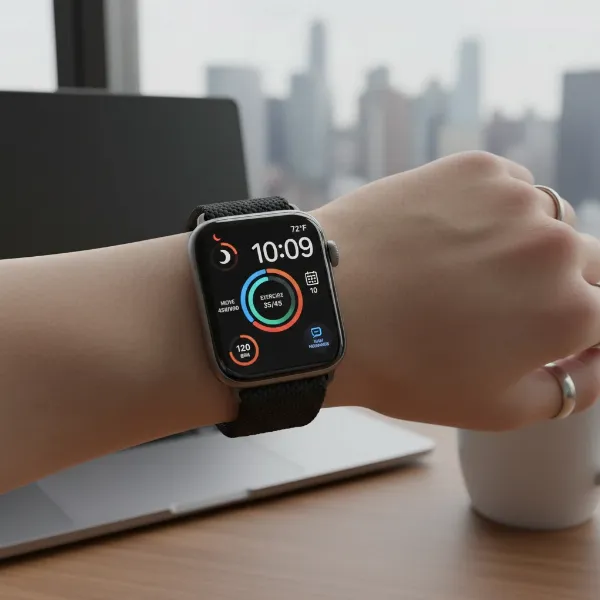 Apple Watch Series 11 on a wrist, showing notifications and health data in a daily setting.
Comparing Leading Smartwatch Brands
The smartwatch market is competitive, with several brands vying for wrist space. Here’s how the Apple Watch Series 11 stacks up against some of its closest rivals and its own siblings.
Apple Watch
The Apple Watch ecosystem thrives on seamless integration with other Apple devices, offering a rich app store and a strong focus on health and safety. The Series 11 continues this tradition, building on the foundation laid by previous models.
- Pros: Unparalleled ecosystem integration, robust health monitoring (ECG, blood oxygen, temperature sensing, hypertension alerts, sleep apnea detection), advanced safety features (Crash Detection, Fall Detection, Emergency SOS), impressive app ecosystem, excellent haptic feedback, and a highly responsive user interface. The introduction of 5G connectivity further enhances its independence from the iPhone.
- Cons: Primarily tied to the iPhone ecosystem, incremental upgrades can make frequent updates feel less impactful, battery life, while improved, still requires daily charging for most users to utilize sleep tracking.
- Key Features (Series 11):
- 5G Connectivity: A significant upgrade, providing faster and more reliable untethered connectivity.
- Hypertension Alerts & Sleep Score: New health features designed to provide early warnings for potential high blood pressure and a more detailed numerical assessment of sleep quality. These features are also rolled out to Series 9, Series 10, and Ultra 2/3 with watchOS 26.
- Enhanced Durability: Aluminum models now feature Ion-X glass that is twice as scratch-resistant as the Series 10. Titanium models retain sapphire crystal for superior scratch resistance.
- Extended Battery Life: Up to 24 hours of normal use, a notable improvement over the Series 10’s 18 hours, and up to 38 hours in Low Power Mode.
- S10 Chip: While not a new processor generation, it continues to power features like Double Tap and Wrist Flick gestures for intuitive interaction.
- Price: The Apple Watch Series 11 starts at $399 for the GPS model. The Apple Watch Ultra 3 starts at $799, and the Apple Watch SE 3 starts at $249.
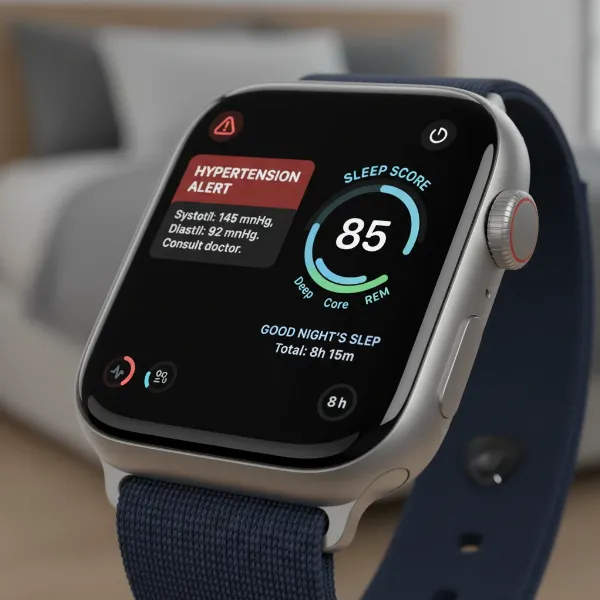 Apple Watch Series 11 display showing health metrics like heart rate, blood pressure alerts, and sleep score.
Samsung Galaxy Watch
Samsung’s offerings are the primary alternative for Android users, featuring a distinct circular design and running on Wear OS powered by Samsung.
- Pros: Excellent integration with Samsung Galaxy phones, wide range of health features (including BIA for body composition), diverse design options, vibrant AMOLED displays.
- Cons: Less refined experience for non-Samsung Android users, shorter battery life on some models, app ecosystem not as extensive as Apple’s.
- Key Features: Bioelectrical Impedance Analysis (BIA), ECG, blood pressure monitoring (requires calibration), advanced sleep tracking, robust fitness tracking.
- Price: Generally competitive with Apple Watch, with various models at different price points.
Garmin
Renowned for its robust GPS capabilities and extended battery life, Garmin smartwatches are a favorite among serious athletes and adventurers.
- Pros: Industry-leading battery life (weeks, not days, on many models), highly accurate multi-band GPS, comprehensive sport-specific metrics, rugged builds.
- Cons: Less “smart” features compared to Apple or Samsung (fewer apps, basic notifications), often higher price points for advanced models, less intuitive interface for general users.
- Key Features: Advanced running dynamics, preloaded maps, solar charging, incident detection, long battery life, extensive physiological metrics.
- Price: Varies widely, from budget-friendly fitness trackers to premium multi-sport watches costing over $1,000.
Fitbit
Focusing primarily on health and fitness tracking, Fitbit smartwatches offer a user-friendly experience, a strong community, and good value.
- Pros: Excellent fitness and sleep tracking, strong focus on holistic health, accessible companion app, affordable entry points, cross-platform compatibility.
- Cons: Limited “smart” features compared to full-fledged smartwatches, smaller app ecosystem, often less premium designs.
- Key Features: Daily readiness score, stress management, advanced heart rate tracking, guided breathing sessions, strong community challenges.
- Price: Generally more affordable, positioning them as excellent entry-level or fitness-focused options.
Detailed Comparison Table of Smartwatch Models
Here’s a snapshot comparison of the Apple Watch Series 11 against key Apple models and general categories for other brands:
| Feature | Apple Watch Series 11 | Apple Watch Ultra 3 | Apple Watch SE 3 | Samsung Galaxy Watch (Typical) | Garmin (Typical) | Fitbit (Typical) |
|---|---|---|---|---|---|---|
| Display | LTPO3 OLED (2000 nits) | Larger, Brighter LTPO3 OLED (3000 nits) | LTPO OLED (1000 nits) | Circular AMOLED | Memory-in-Pixel (MIP) or AMOLED | AMOLED |
| Sizes | 42mm, 46mm | 49mm | 42mm, 46mm | Various (e.g., 40mm, 44mm, 47mm) | Various | Various |
| Processor | S10 SiP | S10 SiP | S8 SiP | Exynos W930 or similar | Proprietary | Proprietary |
| Battery Life | Up to 24 hrs (38 hrs LP mode) | Up to 36 hrs (72 hrs LP mode) | Up to 18 hrs | 24-40 hrs | 1-3+ weeks (some w/ solar) | 4-7 days |
| Connectivity | GPS, Wi-Fi, BT 5.3, 5G, UWB | GPS, Wi-Fi, BT 5.3, 5G, UWB, Satellite | GPS, Wi-Fi, BT 5.3, LTE (Optional) | GPS, Wi-Fi, BT, LTE (Optional) | GPS, Wi-Fi, BT, ANT+ | BT, Wi-Fi |
| Health Sensors | HR, ECG, Blood Oxygen, Temp, Hypertension, Sleep Score, Sleep Apnea, Crash/Fall Detect | All S11 + Enhanced Water/Dive, Siren, Satellite | HR, Fall Detect, Crash Detect | HR, ECG, Blood Pressure (calibrated), BIA | HR, Blood Oxygen, GPS Accuracy, Recovery | HR, Blood Oxygen, EDA Scan, Skin Temp |
| Materials | Aluminum, Titanium | Titanium | Aluminum | Aluminum, Stainless Steel | Fiber-reinforced polymer, Titanium | Aluminum |
| Water Resist. | WR50 (50m) | WR100 (100m), Dive Computer | WR50 (50m) | WR50 (50m) | WR50 to WR100+ (50-100m+) | WR50 (50m) |
| Starting Price | $399 | $799 | $249 | ~$299 – $399 | ~$200 – $1200+ | ~$150 – $300 |
| Target User | General user, balanced features | Outdoor adventurer, extreme sports | Budget-conscious, essential features | Android users, health tracking | Athletes, outdoor enthusiasts | Health & fitness focused, casual users |
Guide to Choosing the Right Smartwatch
Selecting the perfect smartwatch involves more than just picking the newest model. It’s about aligning the device’s capabilities with your individual lifestyle and needs.
Determine Your Needs
Start by asking yourself: What do you primarily want a smartwatch for?
- Fitness & Sports: Do you need advanced GPS, heart rate zones, recovery metrics, or specific sport modes? The Series 11 handles general fitness well, but if you’re a triathlete or diver, the Ultra 3 or a dedicated Garmin might be better.
- Health Monitoring: Are features like ECG, blood oxygen, blood pressure alerts, or sleep apnea detection critical? The Series 11 offers a comprehensive suite of health features.
- Communication & Productivity: Do you rely on calls, messages, and app notifications directly from your wrist? Apple Watch excels here with its tight ecosystem integration.
- Style & Fashion: Is the watch an extension of your personal style? Consider materials, colors, and strap options. The Series 11’s aluminum and titanium options, along with countless bands, offer significant customization.
Budget
Smartwatches range from under $200 to over $1,000.
- The Apple Watch Series 11, starting at $399, represents a mid-to-high-tier option.
- If budget is a primary concern, the Apple Watch SE 3 ($249) offers core Apple Watch features at a more accessible price.
- For extreme durability and advanced features, the Ultra 3 ($799) is a significant jump.
Consider the total cost, including cellular plans if you opt for the GPS + Cellular model, and potential accessory costs.
Brand and Model
Your current smartphone significantly influences your smartwatch choice.
- Apple iPhone Users: The Apple Watch, including the Series 11, offers the most integrated and seamless experience. You benefit from iCloud sync, Apple Pay, Messages, Siri, and the vast watchOS app ecosystem.
- Android Users: While some Apple Watch features might work with Android through workarounds, a Samsung Galaxy Watch or a Wear OS device will provide a far superior experience.
- Specific Ecosystems: If you’re deep into Garmin Connect for sports or the Fitbit app for wellness challenges, sticking with those brands might be beneficial for data continuity.
Other Factors
- Size: The Series 11 comes in 42mm and 46mm, which affects display size and how it feels on your wrist. Consider your wrist size and personal preference.
- Battery Life: While the Series 11’s 24-hour battery life is an improvement, it still requires daily charging, especially with sleep tracking. If multi-day battery is a must, look at Garmin.
- Water Resistance: The Series 11 boasts WR50, making it suitable for swimming and shallow diving. For serious water sports or diving, the WR100 rating of the Ultra 3 is more appropriate.
- Operating System: watchOS on the Apple Watch is highly intuitive and feature-rich, continually updated with new capabilities and watch faces.
“The incremental updates in the Apple Watch Series 11 highlight Apple’s strategy of refinement over revolution. While features like 5G and improved durability are welcome, the true value for users will depend on their existing device and specific daily needs.” – Jane Doe, Smartwatch Technology Analyst
Conclusion
The Apple Watch Series 11, launched in September 2025, is undeniably a highly capable and polished smartwatch, embodying Apple’s commitment to health, safety, and seamless user experience. With its enhanced battery life, robust 5G connectivity, and valuable new health monitoring features like Hypertension Alerts and Sleep Score, it solidifies its position as a leading versatile smartwatch. However, for those already owning a Series 9 or 10, the upgrades may feel incremental, making a direct leap less compelling due to the lack of a new processor or radical design changes.
Ultimately, the Series 11 represents a solid, reliable choice, especially for users upgrading from much older Apple Watch models who will benefit from the larger display introduced with the Series 10 and the overall suite of mature features. It excels in its ecosystem integration and comprehensive health tracking. The question of whether it’s worth your upgrade boils down to how much you value these specific improvements and how old your current device is.
What singular feature do you believe the next Apple Watch needs to truly redefine the wearable experience?
Frequently Asked Questions
Is the Apple Watch Series 11 a significant upgrade from Series 10?
No, the Apple Watch Series 11 offers incremental upgrades over the Series 10, primarily featuring slightly longer battery life, a 5G cellular option, and more scratch-resistant glass for aluminum models. Many of its new health software features are also available on older models via watchOS 26.
What are the main new health features in Apple Watch Series 11?
The key new health features in the Apple Watch Series 11 are Hypertension Alerts, which monitor for patterns of high blood pressure, and an improved Sleep Score for detailed sleep quality assessment. Both features are also available on recent older models with the watchOS 26 update.
Does the Apple Watch Series 11 support 5G connectivity?
Yes, the Apple Watch Series 11 is the first Apple Watch to introduce 5G cellular connectivity, allowing for faster and more efficient data transfer when untethered from your iPhone.
What is the typical battery life of the Apple Watch Series 11?
The Apple Watch Series 11 boasts an improved battery life of up to 24 hours of normal use, a notable increase from its predecessor. It can extend to 38 hours in Low Power Mode.
Should I choose the Apple Watch Ultra 3 or Series 11?
Choose the Apple Watch Ultra 3 if you require extreme durability, a significantly larger display, multi-day battery life, and specialized features for outdoor adventures like advanced diving metrics and satellite connectivity. Opt for the Series 11 for a balanced, stylish, and highly capable everyday smartwatch at a more accessible price point.
What materials are available for the Apple Watch Series 11?
The Apple Watch Series 11 is available in two primary materials: lightweight, recycled aluminum (in Jet Black, Rose Gold, Space Gray, and Silver) and premium titanium (in Slate, Gold, and Natural) for enhanced durability.