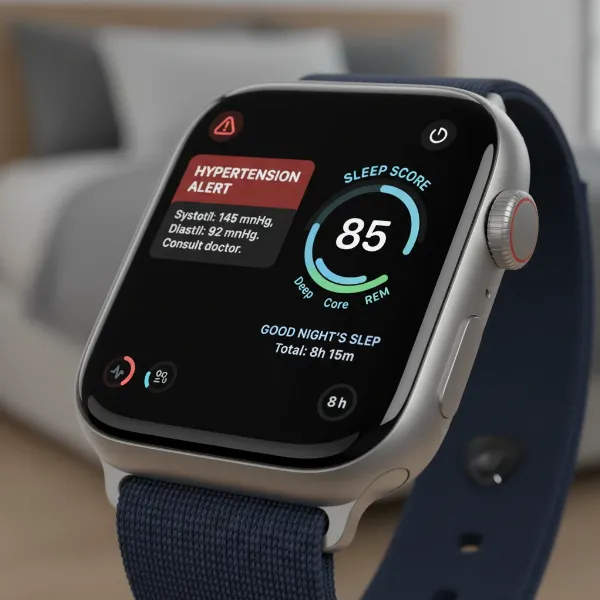
Navigating the crowded smartwatch market for a device that balances high-end functionality with an affordable price tag can feel like a quest. Many promise the world, but few deliver without a hefty cost. If you’ve been eyeing the latest advancements in wearable tech but are hesitant to commit to a flagship price, the Amazfit GTR 5 — or more formally, the Amazfit Balance — presents itself as a compelling contender. This review delves into whether this smartwatch truly offers premium features for half the price, making it an ideal choice for the discerning wearer.
Popular Smartwatch Categories in the Market
The smartwatch landscape is diverse, catering to various needs and lifestyles. Understanding these categories can help you pinpoint which device best suits your daily routine.
Sports Smartwatches
Sports smartwatches are engineered for active individuals who prioritize fitness tracking, advanced metrics, and durability. These devices often come equipped with robust GPS, accurate heart rate monitors, and a multitude of sport modes.
- Pros and Cons:
- Pros: Exceptional accuracy for workouts, dedicated sports features (e.g., pace tracking, recovery time, VO2 Max estimates), rugged designs, and often water resistance.
- Cons: Can sometimes lack the extensive “smart” features and app ecosystems of general-purpose smartwatches, and their aesthetic might be too utilitarian for everyday wear.
- Key Features: Multi-sport tracking, GPS, heart rate monitoring, blood oxygen (SpO2) tracking, advanced sleep analysis, coaching features, and long battery life to sustain extended workouts.
- Who Is It For? Athletes, runners, swimmers, cyclists, hikers, and anyone who wants detailed insights into their physical activity and performance.
|
Our Picks for the Best Smartwatch in 2026
As an Amazon Associate I earn from qualifying purchases.
|
||
| Num | Product | Action |
|---|---|---|
| 1 | Amazfit Bip 6 Smart Watch 46mm, 14 Day Battery, 1.97" AMOLED Display, GPS & Free Maps, AI, Bluetooth Call & Text, Health, Fitness & Sleep Tracker, 140+ Workout Modes, 5 ATM Water-Resistance, Black |

|
| 2 | Apple Watch Series 11 [GPS 46mm] Smartwatch with Jet Black Aluminum Case with Sport Band - M/L. Sleep Score, Fitness Tracker, Health Monitoring, Always-On Display, Water Resistant |
|
| 3 | Smart Watch, 2026 AMOLED 1.43" Fitness Smartwatch for Men Women, Bluetooth 5.4 Call, 130+Sports Modes, 60+Days Flashlight, Heart Rate/Sleep Monitor, IP68 Waterproof Activity Tracker for Android iOS |
|
| 4 | Smart Watch for Men Women Compatible with iPhone Samsung Android Phone 1.83 inch Full Touch Screen IP68 Waterproof Bluetooh Fitness Tracker Heart Rate/Sleep Monitor, Black |
|
| 5 | WHOOP 5.0/MG Activity Tracker - 12 Month Membership - Health and Fitness Wearable – 24/7 Activity and Sleep Tracker, Personalized Coaching, Menstrual Cycle Insights – 14+ Days Battery Life |
|
| 6 | Apple Watch Series 11 [GPS 42mm] Smartwatch with Rose Gold Aluminum Case with Light Blush Sport Band - S/M. Sleep Score, Fitness Tracker, Health Monitoring, Always-On Display, Water Resistant |
|
| 7 | Smart Watch with Alexa Built-in, 1.83" HD Touchscreen Fitness Tracker with Bluetooth Calling, Fitness Watch with Heart Rate/Sleep Monitor, 120+ Sports Modes, IP68 Waterproof Smartwatch for Android iOS |
|
| 8 | SAMSUNG Galaxy Watch 7 40mm Bluetooth AI Smartwatch w/Energy Score, Wellness Tips, Heart Rate Tracking, Sleep Monitor, Fitness Tracker, 2024, Cream [US Version, 1Yr Manufacturer Warranty] |
|
| 9 | Smart Watch for Men, 120 Sports Modes Smartwatch with 1.83" HD Touchsreen, IP67 Waterproof, Sleep Monitor, Bluetooth Call & Music Control Fitness Watch for Android/iPhone (Black) |
|
| 10 | Smart Watch for Men, 120+ Sports Modes Smartwatch with 1.83" HD Touchsreen, Sleep Monitor, IP67 Waterproof, Bluetooth Call & Music Control Fitness Watch for iPhone/Android Black |
|
The Amazfit GTR 5 (Balance) largely falls into this category, excelling in comprehensive health and fitness tracking without the prohibitive cost of many dedicated sports watches. It provides reliable data for casual to semi-serious athletes, maintaining stable heart rate readings even during dynamic activities like weightlifting, where some higher-end watches might falter.
Fashion Smartwatches
Fashion smartwatches blend smart technology with elegant designs, prioritizing aesthetics and everyday wearability. These often feature premium materials, customizable watch faces, and straps to match various styles.
- Pros and Cons:
- Pros: Stylish designs, often made with high-quality materials like stainless steel or leather, and seamless integration with personal style.
- Cons: May sacrifice some advanced fitness tracking capabilities or battery life for design.
- Key Features: Customizable watch faces, premium build materials, notification management, basic health tracking (steps, sleep), and often mobile payment capabilities.
- Who Is It For? Individuals who view their smartwatch as a fashion accessory first, valuing aesthetics and smart notifications over intense fitness tracking.
Versatile Smartwatches
Versatile smartwatches aim to offer the best of both worlds: robust fitness tracking alongside comprehensive smart features and a respectable design. These are often the most popular choice, offering a balanced experience for daily life, work, and exercise.
- Pros and Cons:
- Pros: A good all-rounder, offering a wide range of features from communication to health monitoring, suitable for various occasions.
- Cons: Can sometimes be a “jack of all trades, master of none,” with neither the extreme durability of a sports watch nor the pure elegance of a fashion watch. Battery life can also vary widely.
- Key Features: Advanced health metrics, extensive app ecosystems, voice assistants, calling capabilities, mobile payments, and customizable designs.
- Who Is It For? The average user who wants a smart device that can seamlessly transition from the gym to the office and handle various daily tasks. The Amazfit GTR 5 (Balance) positions itself strongly here, offering a blend of robust fitness tracking, smart features, and a premium look.
Comparing Leading Smartwatch Brands
When considering the Amazfit GTR 5, it’s helpful to understand where it stands against some of the industry’s titans. Its value proposition often shines brightest in comparison to these established players.
Apple Watch
Apple Watch devices are renowned for their seamless integration with the Apple ecosystem, extensive app store, and advanced health features.
- Pros and Cons:
- Pros: Unparalleled app ecosystem, superior integration with iPhones, excellent health tracking accuracy (ECG, fall detection), and robust safety features.
- Cons: Exclusively for iPhone users, typically requires daily charging, and comes with a premium price tag.
- Key Features: ECG, blood oxygen, advanced safety features, vast app store, cellular connectivity options.
- Price: Generally ranges from $249 (SE models) to $799+ (Ultra models), placing them at the higher end of the market. [cite: search 3 – 1]
Samsung Galaxy Watch
Samsung Galaxy Watches are the leading choice for Android users, offering strong integration with Samsung phones and a comprehensive Wear OS experience.
- Pros and Cons:
- Pros: Excellent AMOLED displays, robust health tracking, Wear OS offers a good app ecosystem, and stylish designs.
- Cons: Battery life is often limited to 1-2 days, best experience is with Samsung phones, and typically higher priced than mid-range alternatives.
- Key Features: BIA sensor for body composition, ECG, blood pressure monitoring (in select regions), Google services integration.
- Price: Typically in the $199-$399 range, depending on the model and features.
Garmin
Garmin specializes in highly accurate, feature-rich GPS smartwatches primarily for serious athletes and outdoor enthusiasts.
- Pros and Cons:
- Pros: Industry-leading GPS accuracy, advanced performance metrics (e.g., recovery advisor, training load), exceptional durability, and multi-week battery life on many models.
- Cons: Higher price point, less emphasis on “smart” features and app ecosystem compared to Apple/Samsung, and designs are often more rugged than fashionable.
- Key Features: Multi-band GPS, extensive sports profiles, detailed training metrics, robust mapping, solar charging on some models.
- Price: Ranges from $200 for entry-level fitness trackers to $1000+ for high-end multi-sport watches.
Fitbit
Fitbit, now part of Google, focuses on accessible health and fitness tracking for a broad audience, with a strong emphasis on daily wellness and community features.
- Pros and Cons:
- Pros: User-friendly interface, strong focus on holistic health (stress, sleep, activity), good community features, and generally more affordable.
- Cons: Less advanced GPS and sports tracking compared to Garmin, limited smartwatch functionality (e.g., no cellular, smaller app selection), and often has a plastic, less premium feel.
- Key Features: Daily readiness score, stress management, advanced sleep tools, active zone minutes, guided workouts.
- Price: Typically ranges from $99 for basic trackers to $299 for their more advanced smartwatches.
Amazfit GTR 5 (Balance): Premium Features for Less?
The Amazfit GTR 5, known as the Amazfit Balance, makes a strong case for offering premium features at a competitive price, often around $229. It stands out with a vibrant 1.5-inch AMOLED display and a suite of health and smart features usually found in more expensive devices.
- Offline Mapping and Navigation: A standout feature, allowing users to import GPX files and navigate offline, which is incredibly useful for outdoor activities.
- Advanced Health Metrics: It incorporates BioTracker 5.0, offering body composition measurements, a thermometer, heart rate, blood oxygen, and sleep tracking with a readiness score. Its health tracking is surprisingly accurate for its price point, holding its own against mid-tier alternatives.
- Smart Features: Includes Amazon Alexa with offline commands and the ability to make and take phone calls directly from the watch. The AI coach feature also adds a personalized touch to fitness guidance.
- Battery Life: One of its strongest advantages, boasting 7-10 days of regular use, and up to two weeks on a full charge. [cite: 1, search 3 – 4] This is significantly longer than many premium smartwatches from Apple or Samsung, largely due to its optimized operating system and less power-hungry processor. [cite: search 3 – 1]
- Design and Build: Features a clean, premium design that mimics a traditional watch while packing smart capabilities. [cite: 1st search – 1]
However, it’s not without its limitations. The screen uses tempered glass, suggesting that a screen protector might be a wise investment. While you can receive calls, responding to text messages is limited to pre-made replies, lacking a full keyboard. Furthermore, while its fitness tracking is solid for most, it may not satisfy professional athletes who require advanced metrics like lactate threshold VO2 max estimation, for which Garmin or Coros devices are still superior. The app ecosystem, while growing, is also more limited compared to Wear OS or watchOS. [cite: 1st search – 1, search 3 – 1]
Detailed Comparison Table: Amazfit GTR 5 (Balance) vs. Competitors
| Feature | Amazfit GTR 5 (Balance) | Apple Watch (SE/Series) | Samsung Galaxy Watch (e.g., Watch 6) | Garmin (e.g., Forerunner series) |
|---|---|---|---|---|
| Price (approx.) | $229 | $249 – $799+ | $199 – $399 | $200 – $1000+ |
| Display | 1.5″ AMOLED | Retina LTPO OLED | Super AMOLED | MIP (Memory-in-Pixel) or AMOLED (high-end) |
| Battery Life | 7-14 days (typical/optimal) | 18-36 hours (daily charge) | 30-40 hours (daily charge) | Weeks (MIP) to ~5-10 days (AMOLED) |
| OS/Ecosystem | Zepp OS (limited app ecosystem) | watchOS (vast app ecosystem, iPhone only) | Wear OS (good app ecosystem, Android optimized) | Garmin OS (fitness-focused, limited smart apps) |
| GPS Accuracy | 5-satellite positioning, 99.5% claimed accuracy | Excellent | Excellent | Industry-leading (multi-band on many models) |
| Health Tracking | HR, SpO2, Sleep, Stress, Body Composition, Thermometer | HR, SpO2, ECG, Sleep, Fall Detection | HR, SpO2, ECG, Sleep, Body Composition (BIA) | HR, SpO2, Sleep, Advanced Training Load, Recovery, VO2 Max |
| Smart Features | Calls, Alexa, Offline Maps, AI Coach | Calls, Texts, Payments, App Store, Siri | Calls, Texts, Payments, App Store, Google Assistant, Maps | Notifications, Music Storage (on some), Payments (Garmin Pay) |
| Messaging | Pre-made replies only | Full keyboard/Dictation | Full keyboard/Dictation | Limited (pre-made replies/view only) |
| Target User | Value-conscious fitness enthusiasts, general users | iPhone users seeking comprehensive smart features | Android users seeking comprehensive smart features | Serious athletes, outdoor adventurers |
Guide to Choosing the Right Smartwatch
Selecting a smartwatch can be overwhelming with the myriad options available. Here’s a structured approach to find your perfect fit.
Determine Usage Needs
Before anything else, clarify what you need your smartwatch for. Are you a marathon runner, a fashion-conscious professional, or someone who simply wants to stay connected and track basic health metrics?
- Fitness Tracking: If detailed workout analysis, GPS, heart rate, and performance metrics are crucial, prioritize sports-focused watches like the Amazfit GTR 5 or Garmin.
- Communication & Productivity: For extensive app support, calling, texting, and mobile payments, Apple Watch or Samsung Galaxy Watch might be better suited.
- Health Monitoring: If blood oxygen, ECG, sleep tracking, and stress management are your primary concerns, many modern smartwatches, including the Amazfit GTR 5, offer robust features.
Budget
Your budget will significantly narrow down your choices. High-end smartwatches from Apple and Samsung can be expensive, while brands like Amazfit offer compelling features at a mid-range price point. Determine how much you are willing to spend and explore options within that range. The Amazfit GTR 5, at around $229, offers a strong value proposition for its feature set.
Brand and Model
Research different brands known for specific strengths. Apple for ecosystem integration, Samsung for Android compatibility, Garmin for sports, and Amazfit for battery life and value. Look for models within these brands that align with your determined needs and budget. Reading reviews and comparing models side-by-side (like our table above) can be very helpful.
Other Factors
Consider these additional elements to ensure your smartwatch choice is truly optimal:
- Size and Comfort: Try on different sizes and styles. A smartwatch should feel comfortable for all-day wear, especially during workouts or sleep.
- Battery Life: This is a critical factor for many. If daily charging is a deal-breaker, lean towards watches